


Lab-Tested Peptides & HGH for Muscle Growth, Fat Loss & Recovery
What is Growth Hormone?
Growth hormone, which is a peptide-derived hormone and which performs its functions as cell proliferation, growth and regeneration, is also known as growth hormone, HGH and somatotropin.
How is the growth hormone released?
Growth hormone secretes the body as a response at the time of stress; A hormone that normally increases or decreases during the day. It is produced in a single chain of 191 amino acids in the somatotropic (acidophilic) cells of anterior pituitary.
Growth hormone (GH) synthesis and release is controlled by Growth Hormone Relasing Hormone (GHRH), which is secreted from the hypothalamus. Growth hormone (GH) release varies with many factors besides GHRH.
Why is growth hormone (GH) important?
Growth hormone, which has significant effects on many body cells, is also responsible for the occurrence of the following events.
• Provides bone development and mineralization in children.
• Increases protein synthesis.
• Accelerates fat burning. (There are many mechanisms related to fat burning, one of which is the effectiveness of thyroid hormones T4 to be more effective T3'e translation.)
• Stimulates the immune system.
• Enables growth of muscles.
The effects are necessary for a younger and fit body, and are a must for healthy life. Now that we understand how important the growth hormone is to us, we can now begin to examine the factors affecting growth hormone production.
Factors affecting growth hormone release
Growth hormone release increases and decreases depending on many factors. These factors
• Sleep,
• Blood sugar,
• Amino acids in blood,
• Stress,
• Exercise,
• Other hormones and thyroid hormones,
Sleep
Sleep is one of the simplest ways to increase growth hormone. The release of growth hormone increases in the 3 and 4 (non-rem) stages of sleep. This phase of sleep is called deep sleep. So, sleeping well is important.
The most frequently released hormone during sleep is between 12: 00-13.00 and 22: 00-2.00. Let me put an exclamation here, I want you to go back here while reading the 2nd blood sugar. As a result, early night sleep and noon are key to maintaining beauty and health.
Blood sugar
If we say that the biggest hormone of the growth hormone is sugar, we don't get wrong. This increase reduces growth hormone production up to 20 times.
By keeping your blood sugar at low levels, you can prevent unnecessary drops in your growth hormone. Low blood sugar at noon stimulates the release of growth hormone (1, 2).
In order to keep blood sugar at low levels, I recommend you to examine intermittent fasting, which is my favorite method of alimentation.
Amino acids found in blood
Growth hormone release increases as the amino acid level in the blood increases.
Testosteon Estrogen and TSH
Testosterone and estrogen and thyroid hormone are hormones that increase growth hormone secretion (GH). The biggest share in this is thyroid hormones. Iodine deficiency in many countries is the cause of endemic goiter (a disease with thyroid hormone deficiency). Turkey is one of these countries.
Both the nutritional and natural environment conditions lead you to iodine deficiency. If there is a lack of iodine in the body, after a while our body can not produce thyroid hormone. This situation is very important for those who prefer salt restriction for a long time and for those who prefer salt-free rock salt.
Unconscious salt restriction will have negative results. If you don't know how much salt you should consume, you should definitely read my salt restriction.
Thyroid hormones increase metabolic rate. As a result of salt restriction to prevent liquid retention, decreasing metabolic rate may cause fatigue. At the same time, decreasing thyroid hormones reduce growth hormones, repairing the muscles and restoring the body.
Families who use rock salt and those who use salt restriction have to check the thyroid hormone (T3 and T4) levels at regular intervals.
Stress
Cortisol secreted during stress reduces the level of growth hormone. Therefore, intensive exercise and excessive calorie restriction may be inconvenient in the long term for individuals who want to keep their growth hormone levels high.
To increase growth hormones
• Try to be asleep at 22.00 and 01.00 hours when growth hormone peaks.
• Avoid simple sugars (except after exercise) that raise your blood sugar quickly.
• Pay attention to your protein intake and try to eat continuously.
• Monitor your testosterone, estrogen and thyroid hormone levels. Do not restrict your salt intake to excessive and long time.
• Get training on stress management, nutrition and over traninig
It is also possible to take growth hormones seperately. These products are sold under the names hgh and peptide. In fact, growth hormone products (HGH) are also peptide products.
The names of some of the HGH Products are:
- Norditropin
- Humatrope
Peptide products names:
- IGF-1
- HGH Fragment
- PEG-MGF
- Melanotan 2
- MOD GRF
- GHRP-2
- GHRP-6
Other peptide products are available. We have listed the names of the most popular ones.
It is not possible to provide detailed information about Peptide products in this text. You can get detailed information about the products by checking the product one by one.
Subcategories


GHRP-6 Deus Medical
Active Component: Growth Hormone-Releasing Peptide 6 (GHRP-6)
Manufacturer: Deus Medical
Pack: 1 Vial x 10 mg
Form: Injectable
What Is GHRP-6?
GHRP-6 is a Growth Hormone Secretagogue (GHS), classified as a first-generation peptide.1 It acts by binding to the ghrelin receptor, powerfully stimulating the pituitary gland to release a natural pulse of the body's Human Growth Hormone (GH).
GHRP-6 is particularly unique because, apart from releasing GH, it also significantly affects appetite and digestive function, making it an ideal choice for specific physique goals.
Core Functions and Benefits
-
Intense Hunger Stimulation: GHRP-6 is well-known for its pronounced side effect of dramatically increasing appetite by improving gastric motility and stimulating ghrelin receptors. This is highly beneficial for athletes struggling to consume the necessary calories during a bulking or mass-gaining phase.
-
Potent GH Release: It triggers a strong, rapid pulse of endogenous GH, which leads to heightened levels of the anabolic hormone IGF-1.
-
Muscle Growth and Recovery: Elevated GH and IGF-1 levels enhance protein synthesis, leading to improved muscle growth, faster recovery from exercise, and support for joint health.
-
Cortisol/Prolactin Increase (Slight): While highly effective, GHRP-6 may slightly increase levels of Prolactin and Cortisol, which must be managed, especially when stacking.
Usage and Dosage Protocols
GHRP-6 has a very short half-life and must be administered frequently to maximize results.
-
Dosing Frequency: To sustain elevated GH levels, injections must be frequent. The standard protocol is 3–5 times a day.
-
Saturation Dose: The calculated saturation dose is $1 \text{ mcg/kg}$ of body weight per injection.
-
Standard Daily Dose: The common dose used is $100 \text{ mcg}$ per injection, totaling $300 \text{ mcg}$ to $500 \text{ mcg}$ per day.
-
Administration: Typically injected subcutaneously (under the skin) on an empty stomach (or before a meal) to maximize the GH release, as high blood sugar blunts its effect.
Side Effects
Side effects are generally mild, but the intense hunger response is predictable.
-
Increased Appetite: The most pronounced side effect is a significant and immediate increase in hunger, making it challenging for users in cutting cycles.
-
Cortisol and Prolactin: May slightly increase levels of Prolactin and Cortisol. Management may be required, particularly if prolactin-sensitive components (like Trenbolone) are used.
Frequently Asked Questions (FAQs)
1. Is GHRP-6 better for bulking or cutting cycles?
GHRP-6 is generally preferred for bulking and off-season phases due to its intense effect on increasing appetite and improving gastric motility. For cutting cycles, where strict calorie control is essential, the hunger-stimulating effect of GHRP-6 can be counterproductive, and GHRP-2 (which is less hunger-inducing) is often preferred.
2. Why is the stacking of GHRP-6 with CJC-1295 so common?
Stacking GHRP-6 with a GHRH analog like CJC-1295 creates a synergistic effect. The GHRP-6 (like GHRP-2) initiates the natural GH pulse, and the GHRH analog amplifies the size of that pulse, resulting in a much stronger total release of Growth Hormone.
3. Why must GHRP-6 be injected so frequently (3-5 times a day)?
GHRP-6 has a very short half-life (around 15–30 minutes). To maintain a consistently elevated level of Growth Hormone throughout the day and maximize the anabolic window, it must be injected frequently, usually separated by 3–4 hour intervals.
4. Does GHRP-6 suppress natural testosterone?
No. GHRP-6 is a peptide that targets the pituitary gland's GH axis, not the HPTA (Hypothalamic-Pituitary-Testicular Axis). It does not suppress the body's natural production of testosterone. Therefore, GHRP-6 cycles do not require standard PCT protocols, though it is often stacked with steroids that do require PCT.

HCG 5000 Deus Medical
HCG 5000 Deus Medical is a pharmaceutical preparation containing Human Chorionic Gonadotropin (HCG) in a strength of 5000 IU per vial. This hormone plays a crucial role in reproductive health and is widely used in medical treatments for hormone imbalance, fertility support, and specific pediatric conditions. Manufactured by Deus Medical, it is designed for clinical and therapeutic use under a doctor’s supervision.
What Is HCG 5000 Deus Medical?
HCG 5000 Deus Medical contains a high-purity form of Human Chorionic Gonadotropin, a hormone naturally produced during pregnancy. In medicine, it is used to support hormonal function in both men and women.
Manufacturer – Deus Medical
Deus Medical is known for:
-
Pharmaceutical-grade hormone formulations
-
Reliable packaging and labeling
-
Strict compliance with quality standards
-
QR-based authenticity verification
Product Format & Strength
-
1 vial per box
-
5000 IU (International Units)
-
Sterile freeze-dried powder for reconstitution under medical guidance
Understanding Human Chorionic Gonadotropin (HCG)
Natural Role of HCG in the Human Body
HCG is produced by the placenta shortly after conception.
It is responsible for maintaining the early stages of pregnancy by supporting progesterone production. Because of its unique presence, pregnancy tests detect HCG levels in urine or blood.
Medical Classification
HCG acts similarly to Luteinizing Hormone (LH), a pituitary hormone that stimulates:
-
Testosterone production in men
-
Ovulation in women
This hormonal mimicry explains why HCG has powerful medical applications.
How HCG Works in the Human Body
Mimicking Luteinizing Hormone (LH)
Because HCG behaves like LH, it binds to the same receptors in the testes and ovaries.
In men:
-
Stimulates Leydig cells
-
Encourages natural testosterone production
In women:
-
Supports follicle maturation
-
Triggers ovulation
Testosterone Production Support
For men with clinically diagnosed hypogonadism, HCG helps restore normal hormonal function and reduce the consequences of low testosterone.
Medically Approved Uses of HCG
HCG is an FDA-approved medication with several important therapeutic uses.
Treatment of Male Hypogonadism
HCG assists men whose bodies cannot produce enough testosterone due to:
-
Pituitary dysfunction
-
Testicular underactivity
-
Hormonal imbalance
Treatment of Undescended Testicles in Young Boys
HCG can stimulate testicular descent when medically appropriate.
Fertility Treatment in Women
Doctors use HCG to:
-
Induce ovulation
-
Support reproductive cycles
-
Assist fertility protocols
Why HCG Is Clinically Important
Supporting Endocrine System Recovery
HCG helps re-activate hormonal pathways by stimulating testosterone production naturally.
Preventing Long-Term Hormone Suppression
Without proper hormonal support, low testosterone levels can affect:
-
Muscle preservation
-
Bone density
-
Mood and energy
-
Fertility
HCG helps restore natural endocrine activity under medical care.
Misconceptions About HCG
Not a Muscle-Building Drug
HCG does not directly improve muscle mass or athletic performance.
Not a Substitute for Testosterone Therapy
HCG supports hormonal pathways but does not replace clinical TRT when needed.
Side Effects and Safety Considerations
Common Side Effects
-
Injection site redness
-
Headache
-
Fatigue
-
Mood changes
Rare or Serious Side Effects
-
Allergic reactions
-
Gynecomastia (hormonal imbalance-related)
-
Fluid retention
-
Severe irritation at injection site
Immediate medical attention is required if severe symptoms appear.
Who Should NOT Use HCG 5000
Avoid use if you have:
-
Prostate or breast cancer (men)
-
Ovarian cysts (women)
-
Thyroid or pituitary tumors
-
Allergy to HCG
-
Pregnancy-related disorders
Always consult a doctor before starting treatment.
Storage & Handling Instructions
-
Store between 20–25°C (68–77°F)
-
Protect from light
-
Do not freeze
-
Use only after proper reconstitution following medical instructions
Authenticity Verification for Deus Medical Products
Deus Medical products include a unique QR code on the packaging.
Scanning it verifies the product’s authenticity and protects users from counterfeit hormones.
FAQs About HCG 5000 Deus Medical
1. What is HCG 5000 Deus Medical used for?
It is used for medically supervised treatments such as male hypogonadism, fertility support in women, and pediatric management of undescended testicles.
2. Does HCG increase testosterone levels?
Yes—HCG mimics Luteinizing Hormone (LH), stimulating the testes to produce testosterone naturally.
3. Is HCG safe to use without a doctor?
No. HCG is a prescription hormone and must be used only under medical supervision due to hormonal risks and potential side effects.

HEXARELIN Deus Medical 2mg
Active Substance: Hexarelin (Growth Hormone-Releasing Peptide)
Manufacturer: Deus Medical
Pack: 1 Vial x 2 mg
Form: Injectable
What Is Hexarelin?
Hexarelin (also known as Examorelin) is a synthetic, peptidic compound classified as a Growth Hormone Secretagogue (GHS).1 It exhibits a high affinity for the ghrelin/growth hormone secretagogue receptor (2$\text{GHSR}$) and is considered one of the most potent of all GHS peptides.3
Hexarelin is renowned for its ability to trigger the most intense release of Growth Hormone (GH) from the pituitary gland when compared to other GHRPs like GHRP-6 and GHRP-2.4
Core Functions and Unique Characteristics
-
Maximum GH Release: Hexarelin provides the strongest stimulus for GH release among known $\text{GHRP}$s, leading to significant elevation of $\text{IGF-1}$ for muscle growth, recovery, and fat metabolism.
-
Rapid Desensitization: Hexarelin's primary drawback is its tendency for rapid receptor desensitization.5 Studies show the GH response can be significantly blunted after just a few weeks of continuous use, necessitating a specific cycling protocol.
-
Non-Selective Co-Release: Hexarelin causes a slight, dose-dependent rise in the release of other hormones, including Prolactin and Cortisol (ACTH).6 This requires careful monitoring and often necessitates ancillary support.
-
Cardioprotective Properties: Research has also indicated that Hexarelin may possess cardioprotective properties by enhancing left ventricular function and reducing cell death (7$\text{apoptosis}$) in the heart muscle.8
Usage and Dosage Protocols
Due to the rapid desensitization, Hexarelin cannot be used like other $\text{GHRP}$s and requires an intermittent dosing schedule.9
-
Desensitization Protocol: To avoid receptor desensitization and maintain efficacy, Hexarelin must be used intermittently, typically every other day ($\text{EOD}$), allowing the $\text{GHSR}$ receptors to resensitize during the "off" day.
-
Dosage: The recommended dose is $100 \text{ mcg}$ per injection, administered 3 times per day. This totals $300 \text{ mcg}$ on dosing days.
-
Stacking Strategy: It is highly recommended to use Hexarelin on its $\text{EOD}$ schedule while filling the "off" days with another, less desensitizing $\text{GHRP}$ (such as Ipamorelin, GHRP-2, or GHRP-6) to maintain GH elevation without burning out the receptors.
-
Stacking Synergy: Combining Hexarelin with a 10$\text{GHRH}$ analog (like 11$\text{CJC}-1295$) results in a synergistic, massive GH pulse.12
Side Effects and Management
Hexarelin's potency comes with a higher propensity for co-secretion of non-GH hormones.
-
Prolactin and Cortisol: Hexarelin causes a slight, dose-dependent rise in both Prolactin and Cortisol.13 Prolonged elevation of Cortisol can cause anxiety and suppress the immune system, while elevated Prolactin can cause sexual dysfunction or gynecomastia.14
-
Suppression: Like other $\text{GHRP}$s, it does not suppress natural testosterone but does suppress the body's natural GH production while it is being used.
Frequently Asked Questions (FAQs)
1. Why does Hexarelin cause rapid receptor desensitization?
Hexarelin is the most potent $\text{GHRP}$, but this high potency leads to rapid saturation and subsequent downregulation of the ghrelin/$\text{GHSR}$ receptors. The receptors rapidly lose their sensitivity to the stimulus, requiring users to take breaks ($\text{EOD}$ use or cycling off) to allow the receptors to resensitize and the peptide to remain effective.
2. Is Hexarelin generally preferred over Ipamorelin or GHRP-2?
Hexarelin is generally preferred when the user is targeting the absolute highest possible peak GH release due to its superior potency. However, Ipamorelin or $\text{GHRP}-2$ are often preferred for long-term, daily use because they cause significantly less co-secretion of unwanted hormones like Prolactin and Cortisol.
3. Should Hexarelin be taken on an empty stomach?
Yes. Like all $\text{GHRP}$s, Hexarelin should be injected on an empty stomach (or before a meal) to maximize the GH pulse.15 High blood glucose and insulin levels can severely blunt the GH-releasing activity of the peptide, reducing its effectiveness.
4. What is the typical cycle duration for Hexarelin?
Due to its rapid desensitization, Hexarelin cycles are typically much shorter than those for other peptides. Users generally cycle Hexarelin for 4–6 weeks on, followed by a 2–4 week break to allow full receptor recovery.16 When used with the $\text{EOD}$ protocol, cycles can sometimes be extended, but continuous monitoring is necessary.
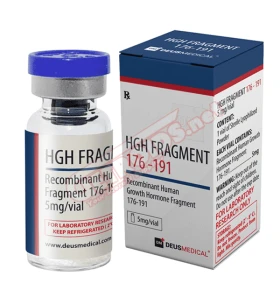
HGH FRAGMENT 176-191 Deus Medical
Active Component: Recombinant Human Growth Hormone Fragment 176-191
Manufacturer: Deus Medical
Pack: 1 Vial x 5 mg
What Is HGH Fragment 176-191?
HGH Fragment 176-191 is a modified, isolated part of the Human Growth Hormone (HGH) peptide chain.1 This peptide is a fragment of the full HGH 2$191$ amino acid sequence.3 It is specifically engineered to contain the C-terminal amino acids ($176$ through $191$) that are known to be solely responsible for HGH's fat-regulating properties.
By isolating this specific fragment, researchers created a component that directly manages fat oxidation (fat burning) without promoting many of the side effects associated with full HGH use (such as potential insulin resistance).
Core Functions and Benefits
-
Targeted Fat Oxidation: The primary function of the HGH Fragment 4$176-191$ is to stimulate lipolysis (the breakdown of stored fat) and inhibit lipogenesis (the creation of new fat), resulting in effective body fat reduction.5
-
No Growth Promotion: Unlike full HGH, this fragment is designed to not stimulate IGF-1 production or cell proliferation, meaning it does not cause the bone or organ growth side effects (like acromegaly) linked to high-dose HGH.
-
Blood Sugar Neutral: Studies show the fragment has little to no impact on blood glucose levels or insulin sensitivity, which is a key advantage over using full HGH.
-
Enhanced Energy Expenditure: It promotes the oxidation of body fat, effectively increasing the body's energy expenditure.6
Usage and Dosage Protocols
HGH Fragment $176-191$ requires frequent, divided injections for optimal fat-loss results.
-
Recommended Dosage: Inject a total of $250 \text{ mcg}$ to $500 \text{ mcg}$ per day.
-
Administration: The total daily dose should be divided into 3 or 4 injections. This is necessary because of the peptide's short half-life. Common timing is before breakfast, before training, and before bed.
-
Duration: The peptide should be used for a minimum of three months to see substantial results.
Frequently Asked Questions (FAQs)
1. Why must HGH Fragment $176-191$ be injected multiple times a day?
The HGH Fragment $176-191$ has a very short half-life (lasting only a few hours). Injecting the total daily dose into 3 or 4 smaller doses is essential to maintain elevated levels of the peptide in the bloodstream throughout the day. This provides continuous fat-burning signaling, maximizing its effectiveness.
2. Is this peptide legal in organized sports (WADA/USADA)?
No. HGH Fragment $176-191$ is categorized under "Peptide Hormones, Growth Factors, Related Substances, and Mimetics" by organizations like the World Anti-Doping Agency (WADA). Because it acts on the HGH axis to promote lipolysis, it is explicitly banned in competitive sports.
3. How does HGH Fragment $176-191$ compare to using full HGH for fat loss?
HGH Fragment $176-191$ is more selective for fat loss and is safer regarding insulin management. While full HGH promotes lipolysis, it also promotes cell growth and can negatively affect insulin sensitivity. The Fragment provides a targeted fat oxidation effect without the growth-promoting or diabetic risks associated with high-dose full HGH use.
4. Does this peptide require Post Cycle Therapy (PCT)?
No. HGH Fragment $176-191$ is a peptide and does not suppress the body's natural production of testosterone or other sex hormones. Therefore, standard PCT protocols using SERMs (like Nolvadex) or AIs are not required after using this peptide.


HMG Deus Medical
Active Substance: Human Menopausal Gonadotropin (HMG)
Manufacturer: Deus Medical
Pack: 1 Vial x 0.15 mg (Likely packaged as $75 \text{ IU}$ or $150 \text{ IU}$)
Form: Injectable
What Is HMG?
HMG (Human Menopausal Gonadotropin) is a medication derived from the urine of postmenopausal women.1 It is a potent hormonal preparation consisting of a combination of the two primary gonadotropins: Follicle-Stimulating Hormone (FSH) and Luteinizing Hormone (LH), typically in equal amounts.2
HMG is a prescription drug primarily used in fertility therapy to treat conditions like hypogonadotropic hypogonadism, where the pituitary gland fails to produce adequate 3$\text{FSH}$ and 4$\text{LH}$.5
Core Functions and Mechanism
HMG acts directly on the testes to reverse the effects of hormonal suppression:6
-
Luteinizing Hormone (LH) Function: The 7$\text{LH}$ component (or 8$\text{hCG}$ analogue often included in pharmaceutical 9$\text{hMG}$ products) stimulates the Leydig cells in the testes to produce Testosterone.10
-
Follicle-Stimulating Hormone (FSH) Function: The 11$\text{FSH}$ component acts on the Sertoli cells to stimulate spermatogenesis (sperm production).12
HMG provides a crucial, direct signal to the testes that fertility agents like 13$\text{hCG}$ alone cannot fully achieve, making it highly effective for inducing sperm production.14
Role in Bodybuilding (Misuse)
HMG is misused by some athletes primarily for hormonal restoration after anabolic steroid use, specifically targeting the reversal of fertility issues.
-
Testicular Atrophy/Infertility Reversal: Anabolic steroids suppress the 15$\text{HPG}$ axis, leading to testicular atrophy and azoospermia (lack of sperm).16 HMG's combination of $\text{LH}$ and $\text{FSH}$ is considered the most reliable alternative to $\text{TRT}$ for men seeking to maintain or restore fertility and testicular volume.
-
Testosterone Boost: The $\text{LH}$ activity indirectly boosts testosterone levels, which assists muscle development and repair.
-
Weight Loss: HMG has no direct role in weight loss, but improved hormone balance indirectly contributes to metabolic health.
Side Effects and Warnings
Misuse of HMG for bodybuilding or weight reduction is strongly not advised due to severe health risks and high cost.
-
Estrogen Conversion: Stimulating testosterone production via $\text{HMG}$ and $\text{hCG}$ increases the risk of gynecomastia due to $\text{LH}$ stimulation of the aromatase enzyme, leading to increased Estradiol ($\text{E}2$).
-
Common Side Effects: Headaches, nausea, stomach pain, hormonal imbalance, and mood swings.
-
OHSS (In Women): In women, the most severe risk is Ovarian Hyperstimulation Syndrome ($\text{OHSS}$).
-
Contraindications: Should be avoided by individuals with hormone-sensitive conditions like breast cancer or prostate cancer.
Frequently Asked Questions (FAQs)
1. How does HMG differ from hCG and SERMs (like Clomid/Nolvadex) for testosterone restoration?
-
HMG: Contains 17$\text{FSH}$ and 18$\text{LH}$.19 It is the only option that directly stimulates both testosterone production ($\text{LH}$) and sperm production ($\text{FSH}$), making it superior for fertility restoration.
-
hCG: Is an analogue of 20$\text{LH}$.21 It only stimulates testosterone production by Leydig cells.22
-
SERMs: Block estrogen receptors in the pituitary to force the release of natural 23$\text{LH}$ and 24$\text{FSH}$.25
2. Is HMG used during Post Cycle Therapy (PCT)?
Yes, HMG is often included in advanced PCT protocols, particularly when fertility preservation or reversal of severe testicular atrophy is a primary goal. However, due to its high cost and complexity, simple SERMs (Clomid/Nolvadex) are often used for basic testosterone level recovery.
3. Does HMG help restore the size of suppressed testicles?
Yes. By directly providing the signals (26$\text{FSH}$ and 27$\text{LH}$/28$\text{hCG}$) that the testes require, HMG helps stimulate testicular steroidogenesis and spermatogenesis, which leads to a marked and continuous increase in testicular volume.29
4. What is the proper dosage regimen for HMG?
In clinical settings, a typical dosage regimen is often 30$75 \text{ IU}$ to 31$150 \text{ IU}$ three times per week, usually in combination with 32$\text{hCG}$ to prepare the testes for the 33$\text{FSH}$ component.34 Dosages for misuse vary widely and are strongly discouraged without expert medical monitoring.


IGF-1 DES 1 Deus Medical
Active Component: Insulin-like Growth Factor 1 $\text{DES }1\text{-}3$ (IGF-1 DES)
Manufacturer: Deus Medical
Pack: 1 Vial x 1 mg
What Is IGF-1 DES?
IGF-1 DES is a shortened, highly potent variant of the natural Insulin-like Growth Factor 1 (IGF-1) hormone.1 IGF-1, or Somatomedin C, is a key growth factor primarily secreted by the liver upon stimulation by Growth Hormone ($\text{GH}$) and is central to anabolic activity in adults.
The $\text{DES }1\text{-}3$ modification means the first three amino acids of the full $70$-amino acid IGF-1 chain (the C peptide is composed of $12$ amino acids) have been cleaved. This modification gives IGF-1 DES two crucial advantages:
-
Increased Potency: IGF-1 DES is significantly more potent than standard IGF-1.2
-
Reduced Binding: It has a reduced affinity for Insulin-like Growth Factor Binding Proteins ($\text{IGFBPs}$) in the bloodstream, allowing it to act more readily at the target tissue site.
Core Performance Benefits
-
Localized Anabolism: IGF-1 DES is highly favored for localized muscle growth.3 Its reduced $\text{IGFBP}$ binding means it survives longer at the injection site, driving protein synthesis and inhibiting protein degradation directly in the targeted muscle.
-
Rapid Recovery: IGF-1 enhances recovery time after intense workouts, promoting tissue repair of bone, cartilage, skeletal muscle, and nerve cells.4
-
Fat Metabolism: It impacts fat cells, enabling fat breakdown, which contributes to a decrease in body fat and maintenance of lean body mass.
-
Energy and Wellness: Elevated IGF-1 levels enhance overall energy during exercise and contribute to general health and well-being.
Administration and Dosage Protocols
IGF-1 DES is typically administered via injection, often aiming for the muscle being trained.
-
Route: Can be injected subcutaneously into the fatty tissue (e.g., abdomen) or used via intramuscular injection (5$\text{IM}$) into the targeted muscle group for localized effects.6
-
Recommended Dosage (Men): $40 \text{ mcg}$ - $50 \text{ mcg}$ daily.
-
Recommended Dosage (Women): $10 \text{ mcg}$ - $20 \text{ mcg}$ daily.
-
Frequency: Injections are not to be taken more than twice a day.
-
Cycle Duration: A typical IGF-1 cycle is 2 to 12 weeks.
Side Effects and Management Essentials
Side effects are similar to full growth hormone but can be exacerbated by the component's potency.
-
Hypoglycemia: IGF-1 significantly reduces blood glucose, which can lead to hypoglycemia (low blood sugar). Users must consume adequate carbohydrates around the dosing time.7
-
Excessive Growth: Potential harm to joints, heart, and excessive body growth (acromegaly) are risks associated with long-term, high-dose use.
-
Cancer Risk: Researchers have linked elevated, chronic IGF-1 levels with potential increased risk for cancers (lung, breast, colorectal, and prostate).8
Frequently Asked Questions (FAQs)
1. What is the main advantage of IGF-1 DES over standard IGF-1?
The main advantage is potency and localized action. By cleaving the first three amino acids, IGF-1 DES is more potent and, critically, has a much lower affinity for $\text{IGFBP}$s.9 This means it remains active for a longer time at the injection site, driving $\text{IM}$ growth and repair more effectively than standard IGF-1.
2. Should IGF-1 DES be injected into the abdomen or the muscle?
IGF-1 DES is highly effective for localized growth.10 Therefore, it is often injected intramuscularly (11$\text{IM}$) into the specific muscle group that the user is seeking to grow or recover (e.g., into the biceps on arm day) to maximize site-specific hypertrophy.12 Subcutaneous injection is used for systemic effects.
3. Does IGF-1 DES require Post Cycle Therapy (PCT)?
No. IGF-1 DES is a growth factor peptide and does not suppress the body's natural production of testosterone or other sex hormones. Therefore, standard $\text{PCT}$ protocols using SERMs (like Nolvadex) are not required after an IGF-1 DES cycle.
4. What is the most critical side effect to manage during an IGF-1 DES cycle?
The most critical side effect to manage is hypoglycemia (low blood sugar). IGF-1 is structurally similar to insulin and has potent glucose-lowering effects.13 Users must ensure they consume adequate carbohydrates and monitor their blood sugar levels, especially around the time of injection, to prevent dangerous drops in blood sugar.14
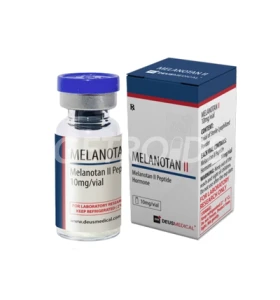
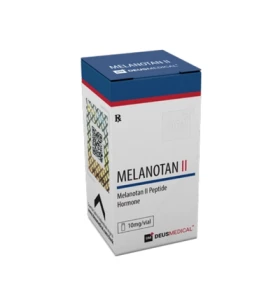
Melanotan 2 (MT-2): The Tanning and Libido Peptide
Active Substance: Melanotan II
Manufacturer: Deus Medical
Pack: 1 Vial x 10 mg
What Is Melanotan 2 (MT-2)?
Melanotan II (1$\text{MT}-2$) is a synthetic peptide that mimics the function of the body's natural alpha-Melanocyte Stimulating Hormone (2$\alpha\text{MSH}$).3 It is a non-selective agonist of the melanocortin receptors (4$\text{MC}1\text{-}5$).5
$\text{MT}-2$ is primarily used for its ability to stimulate the production of melanin, the pigment responsible for darkening the skin. This effect allows users to achieve a deep, natural-looking tan without prolonged exposure to harmful $\text{UV}$ light.
Core Functions and Unique Effects
-
Tanning (Melanogenesis): 6$\text{MT}-2$ binds to the 7$\text{MC}1$ receptor, stimulating melanocytes to increase melanin synthesis.8 This results in the skin rapidly darkening, providing a tan and protection against UV radiation damage.
-
Libidinous Increase: Binding to the 9$\text{MC}3$ and 10$\text{MC}4$ receptors leads to a significant increase in sex drive and libido (often used to treat erectile dysfunction).11
-
Appetite Suppression: 12$\text{MT}-2$ also binds to the 13$\text{MC}4$ receptor in the hypothalamus, which often results in a measurable suppression of hunger.14
Usage and Dosage Protocols
Melanotan II is an injectable peptide that requires specific protocols to achieve desired results while minimizing initial side effects.
-
Administration: Typically administered via subcutaneous injection.15
-
Dosage Protocol: Doses are highly individualized. Users generally start with a very low dose ($\text{e.g., } 0.25 \text{ mg}$) and slowly titrate up to the target dose ($\text{e.g., } 0.5 \text{ mg}$ to $1 \text{ mg}$) to manage initial side effects like nausea.
-
Tanning: For best results, small, controlled exposure to 16$\text{UV}$ light (sun or sunbed) is required to activate the melanocytes stimulated by 17$\text{MT}-2$.18
-
Duration: 19$\text{MT}-2$ is often cycled until the desired skin color is achieved, after which a lower maintenance dose is used intermittently.20
Side Effects and Warnings
Side effects are common, especially immediately after the first few injections.21
-
Common Initial Effects: Nausea and facial flushing (redness and warmth) are the most common side effects, typically occurring within an hour of injection and diminishing with continued use.
-
Cosmetic Changes: 22$\text{MT}-2$ may cause existing moles and freckles to darken or new ones to appear.23 This is a normal function of melanin stimulation.
-
Cardiovascular: Potential increases in blood pressure.
-
Safety Status: 24$\text{MT}-2$ is not 25$\text{FDA}$-approved for cosmetic use and may pose potential risks.26 Use must be guided by a healthcare professional.
❓ Frequently Asked Questions (FAQs)
1. How does Melanotan II provide a tan without full sun exposure?
$\text{MT}-2$ works by maximizing the body's natural tanning response.27 It stimulates the production of melanin, the skin's dark pigment, independent of $\text{UV}$ radiation. This means the skin achieves a tan much faster and deeper with minimal sun exposure, offering a degree of 28$\text{UV}$ protection.29
2. Is Melanotan II useful for muscle growth or recovery in bodybuilding?
No, not directly. $\text{MT}-2$ is not a Growth Hormone secretagogue or an anabolic compound. Its role in bodybuilding is indirect: some users appreciate its appetite-suppressing effect (a side effect of 30$\text{MC}4$ receptor binding), which can assist in cutting cycles, and its strong libido-enhancing effect.31
3. Does Melanotan II require Post Cycle Therapy (PCT)?
No. $\text{MT}-2$ is a peptide that targets melanocortin receptors; it does not interfere with the $\text{HPTA}$ (Hypothalamic-Pituitary-Testicular Axis) and therefore does not suppress natural testosterone production. $\text{PCT}$ protocols are not required after $\text{MT}-2$ use.
4. What is the most critical side effect to be aware of before using $\text{MT}-2$?
The most critical and reliable side effect is the darkening of existing moles and the potential appearance of new moles. While this is an expected outcome of melanin stimulation, users with a history of melanoma or atypical moles must consult a dermatologist and closely monitor their skin changes.


What is Mod GRF?
Crazy for muscle gain! Take Mod-GRF without question.
Mod GRF is highly regarded; HGH is a source of youth, regardless of whether you're trying to tighten your waist, fight the "battle of the bulge," increase your lean muscle mass, or simply stay "young." Originally called tetrasubstituted GRF, Modified GRF is actually shortened to Mod GRF. This is a modified form of the Growth Hormone Releasing Hormone (GHRH) fragment that is the shortest and most useful.
What Mod GRF is and how it can be used:
The purpose of this injectable peptide is to increase the production of growth hormone. This peptide is an analogue or mimetic of a growth hormone-releasing hormone. It can be called a GHRH because it functions similarly to a GHRH.
This drug's primary function is to raise growth hormone levels, which in turn raise IGF-1 levels. An increase in these levels can aid in the reduction of body fat and, in certain situations, aid in muscle growth.
When should I use this?
The primary factors influencing the acceptance of MOD GRF may be availability, cost, and personal preference. Another reason to favour this peptide stack is personal preference to promote the body's own growth hormone production rather than replace natural growth hormone production with an injected form of this hormone.
The following are some justifications for utilising a peptide stack with Mod GRF:
· Reducing body fat
Increasing muscle mass when using this in conjunction with anabolic steroids
Enhancement of the skin's appearance
· Better recovery from injuries.
Mod-GRF cycle:
It is not necessary to cycle Mod-GRF because it is more effective to use it when it is desired to accelerate the improvement in muscle mass or body composition. Additionally, if raising the growth hormone level is the goal, this can be used continuously. It is recommended that the Mod-GRF peptide stack be continuously dosed at the lower end of the recommended range. Otherwise, the dosage can be taken once daily in an injectable form right before bed at full strength.
Potential adverse effects:
Mod-GRF side effects are extremely uncommon. If you take too much of this, this could be the reason. Overuse of this peptide can result in a Mod-GRF cycle, which can cause pain and nerve compression, excessive water retention, and decreased insulin sensitivity. The cause is the stimulation of more growth hormone than is suitable for the individual. The peptide should be stopped until the issue is fixed, and when GH-stimulating peptides are resumed, the dosage should be reduced.
When using the GHRP product, add Mod-GRF to enhance the outcome of GH production stimulation. To attain at least the same overall increase in growth hormone production, a smaller quantity of this can be used instead.


MOTS-C (Mitochondrial Orphan Peptide from the Twelve S rRNA gene locus, C-terminal) is a small 16-amino-acid peptide that is encoded within the mitochondrial DNA (specifically the 2$12S$ rRNA gene).3
-
Mechanism: It acts as a signaling molecule between the mitochondria (the cell's powerhouses) and the rest of the cell, particularly by activating the AMPK pathway (AMP-activated protein kinase).4 The AMPK pathway is critical for regulating energy balance, acting as a master switch for metabolism.5
-
"Exercise Mimetic": Because its levels are naturally increased in muscle and blood following exercise, and its mechanism mimics the metabolic effects of physical activity (like enhanced glucose utilization and fat oxidation), it is often studied as an "exercise-mimetic" compound.6
Why Bodybuilders and Wellness Users Use MOTS-C
Individuals use MOTS-C, despite its unapproved status, primarily for its effects related to metabolic health and performance, which align with your provided text:7
-
Metabolic Health/Fat Loss: By activating AMPK, it's used to enhance insulin sensitivity, improve glucose metabolism, and promote the use of stored fat for energy.8 This makes it appealing for managing weight and metabolic disorders.
-
Enhanced Physical Performance and Endurance: Users seek it to support mitochondrial function and energy production in muscle tissue, hoping to gain improved endurance and recovery.9
-
Anti-Aging/Longevity: Due to its role in maintaining cellular and mitochondrial health, it is popular in the "longevity" community to potentially slow age-related metabolic decline.10
Regulatory Status Note: Like the SARMs, MOTS-C is not approved by the FDA for medical use or as a dietary supplement.11 It is considered an investigational peptide. The World Anti-Doping Agency (WADA) has explicitly prohibited MOTS-C as a metabolic modulator and exercise mimetic.12
Harms and Side Effects
While research suggests MOTS-C is generally well-tolerated in controlled experimental settings, your source and external research caution that the long-term safety profile is incomplete because human clinical trials are limited or ongoing.13
Reported Side Effects (from your source and user reports):
-
Injection Site Reactions: Pain, redness, or swelling at the subcutaneous injection area.14
-
Allergic Reactions: As with any peptide, the potential for an immune response exists.
-
Gastrointestinal Upset: Nausea or stomach issues.15
-
Other Anecdotal Reports: Users have anecdotally reported side effects like mild fatigue, headache, dizziness, or temporary increases in heart rate/palpitations.16
Primary Safety Concern (Unregulated Sourcing):
The major risk comes from its unregulated "research chemical" status.17 Products sold online are not subject to the same purity and quality standards as pharmaceuticals.18 Risks include:
-
Contamination: The presence of harmful impurities, heavy metals, or undisclosed substances.
-
Mislabeling: The actual dosage of MOTS-C, or even the substance itself, may not match what is listed on the label.
-
Lack of Long-Term Data: The long-term effects of chronic, high-dose administration are entirely unknown.19
4 Frequently Asked Questions (FAQ)
1. Has MOTS-C been approved by a major health authority?
No. MOTS-C is classified as an investigational new drug and a "research chemical." It is not approved by the FDA (U.S.), EMA (Europe), or any other major global health authority for therapeutic use, consumption, or as a supplement.20 Compounding pharmacies in the U.S. have also been prohibited from making medications containing MOTS-C.21
2. Is MOTS-C considered a doping agent?
Yes. MOTS-C is explicitly prohibited by the World Anti-Doping Agency (WADA) at all times, both in and out of competition, under the category of Metabolic Modulators.22 It is considered an illegal performance-enhancing drug in competitive sports.
3. What is a typical dosage range for MOTS-C?
There is no official, medically prescribed dosage because it is an unapproved substance.23 Your text mentions that dosages used by researchers in human subjects usually progress from micrograms to milligrams when injected subcutaneously. Online forums often recommend cycles and dosages, but these are based on anecdotal evidence, carry significant risk, and lack scientific validation for safety or efficacy.
4. What is the difference between MOTS-C and SARMs like S-23 and S-4?
MOTS-C is a peptide hormone that regulates metabolism primarily through the mitochondrial AMPK pathway; it is not a muscle-building or androgenic agent in the same way.24 SARMs (like S-23 and S-4) are non-steroidal compounds that directly and selectively bind to androgen receptors in muscle and bone tissue to produce steroid-like effects. The mechanisms of action and primary targets are fundamentally different.


PEG-MGF Deus Medical
Active Substance: PEG-MGF (Pegylated Mechano Growth Factor)
Manufacturer: Deus Medical
Pack: 1 Vial x 2 mg
Form: Injectable
What Is PEG-MGF?
PEG-MGF is a synthetic peptide derived from Insulin-like Growth Factor 1 (IGF-1).1 Specifically, it is a variant of Mechano Growth Factor (MGF), which is naturally released by muscle tissue in response to exercise-induced damage.2
The key feature of this compound is the addition of a PEGylation (Polyethylene Glycol) molecule.3 This modification significantly extends the peptide's half-life from minutes to hours, allowing the active component to circulate longer and exert its effects with less frequent injections.4
Core Functions and Unique Mechanism
PEG-MGF provides a highly localized and unique pathway for muscle growth distinct from traditional steroids:
-
Muscle Stem Cell Activation: It is highly efficient in inducing the growth and regeneration of muscle cells by initiating the proliferation and fusion of muscle stem cells (satellite cells).5 This directly supports the regeneration of new muscle tissue after damage.
-
Muscle Growth and Repair: PEG-MGF speeds up the repair of muscle and tendon tissue after heavy training or injury, significantly decreasing recovery time.
-
Anti-Aging Effects: It is researched for its potential to inhibit the age-related loss of muscle mass (sarcopenia).
Usage and Applications
PEG-MGF is widely utilized in the athletic community for its regenerative benefits.6
-
Athletes and Bodybuilders: Used to increase muscle mass, improve performance, and accelerate recovery after intense training.
-
Post-Injury Recovery: Most favored for aiding the recovery of acute muscle and tendon injuries due to its localized stem cell activation.
-
Anti-Aging Treatments: Applied to prevent age-related muscle loss.7
-
Administration: Administered via subcutaneous or intramuscular injection.
Dangers and Precautions (Cell Proliferation Risk)
PEG-MGF is an over-the-counter (OTC) item, and consultation with a doctor prior to usage is mandatory due to significant risks associated with cell proliferation.
-
Cancer Warning: Cancer patients or people with a history of cancer should not apply it due to its stem cell activation factor. Promoting unchecked cell growth is a significant danger in individuals with latent or active malignancies.
-
Growing Phase: Its application is not suggested for people under 18 years of age (in the growing phase).
-
Chronic Disease: Individuals suffering from heart, kidney, or liver disease should not use it unless a doctor advises them to.
-
Common Side Effects: Injection site redness, swelling, or pain; headache; and occasional fatigue.
Frequently Asked Questions (FAQs)
1. What does the "PEG" in PEG-MGF mean, and why is it important?
PEG stands for Polyethylene Glycol.8 This molecule is attached to the MGF peptide to protect it from being rapidly broken down by enzymes in the bloodstream. This PEGylation process dramatically extends the peptide's half-life from a few minutes to hours, allowing it to be effective with less frequent injections.9
2. Is PEG-MGF injected systemically or locally?
PEG-MGF is primarily used for its localized muscle regeneration. It is often injected intramuscularly (10$\text{IM}$) directly into the muscle that was trained or injured, as this local application maximizes the activation of satellite cells in that specific area.11
3. How does PEG-MGF stimulate new muscle growth?
PEG-MGF stimulates muscle growth through hyperplasia (creating new muscle fibers) rather than just hypertrophy (increasing existing fiber size). It activates muscle stem cells (satellite cells), which fuse with existing fibers or form new fibers, leading to long-term muscle wellness and growth capacity.
4. Does PEG-MGF affect the body's natural testosterone production?
No. PEG-MGF is a growth factor peptide that targets muscle stem cells and the 12$\text{IGF-1}$ pathway.13 It does not interfere with the $\text{HPTA}$ (Hypothalamic-Pituitary-Testicular Axis) and therefore does not suppress natural testosterone production. Standard Post Cycle Therapy ($\text{PCT}$) protocols are not required after using PEG-MGF.
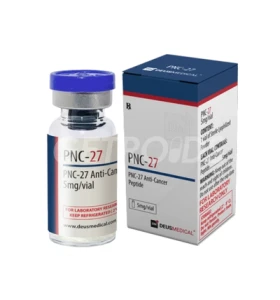
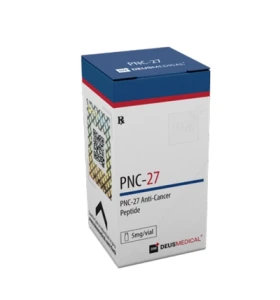
PNC-27: The Investigational Cancer-Targeting Peptide
Active Component: PNC-27 Peptide
Manufacturer: Deus Medical
Form: Investigational Research Compound
What Is PNC-27?
PNC-27 is a novel, synthetically engineered peptide therapy that represents a new strategy for combating cancer. It is designed to recognize and target cancer cells based on structural differences in their membranes.
This peptide has been specifically researched for its potential effectiveness against cancer cells that contain mutations in the 1$\text{p}53$ gene.2 The 3$\text{p}53$ gene is a critical tumor suppressor gene that normally regulates cell growth and induces programmed cell death (4$\text{apoptosis}$).5
Core Mechanism and Advantages
PNC-27 works through a highly targeted mechanism:
-
Cancer Cell Specificity: PNC-27 is designed to attack cancer cells specifically and is reported to be non-toxic to normal, healthy cells.6
-
Membrane Binding and Destruction: The peptide binds to the cancer cell membrane, suppressing its structural integrity.7 This binding action induces apoptosis (programmed cell death), stopping cancer cell growth and proliferation.
-
Targeting 8$\text{p}53$ Mutations: Its action is particularly promising as it kills cancer cells even when the critical 9$\text{p}53$ gene is mutated—a condition that often makes traditional chemotherapy less effective.10
-
Experimental Therapeutic Potential: It is currently viewed as a potential experimental therapeutic agent for cancers involving difficult-to-treat $\text{p}53$ mutations.
Status and Critical Warnings
PNC-27 is an investigational drug that is currently in the embryonic phase of development. It has not yet been tested in widespread clinical trials in humans.
-
Safety Profile Unknown: Since PNC-27 is an investigational drug, the full spectrum of side effects is unknown. Any side effects (e.g., inflammation, immune responses, organ damage) will only become evident during rigorous clinical trials.
-
Administration Restriction: Such experimental therapies should only be administered in the skilled hands of competent physicians and within the framework of clinical trials. Non-participants in clinical trials should not use this compound.
Contraindications
PNC-27 should not be administered to:
-
Non-Participants in Clinical Trials.
-
Pregnant and Nursing Women (safety is not known).
-
Individuals with Severe Immune System Problems.
-
People allergic to peptide drugs.
Frequently Asked Questions (FAQs)
1. How does PNC-27 specifically target cancer cells?
PNC-27 is engineered to recognize and bind to unique structural differences found on the membranes of cancer cells, which healthy cells do not possess. Once bound, the peptide disrupts the membrane, causing the cancer cell to initiate programmed cell death (11$\text{apoptosis}$).12
2. Why is PNC-27's effectiveness against $\text{p}53$ mutations so important?
The $\text{p}53$ gene is a major defense mechanism against cancer. When $\text{p}53$ is mutated, it loses its ability to kill cancer cells, making the cancer much more aggressive and resistant to conventional treatments. PNC-27's ability to trigger $\text{apoptosis}$ even when $\text{p}53$ is mutated represents a significant and highly valued potential therapeutic breakthrough.
3. If PNC-27 is cancer-cell specific, why are the side effects unknown?
Despite its targeted mechanism, the full safety profile and potential adverse reactions (e.g., systemic inflammatory responses, long-term organ effects, and immune system changes) are unknown until the drug undergoes large-scale human clinical trials. For any new potent therapeutic agent, caution regarding unknown side effects is paramount.
4. Is PNC-27 legal to purchase and use for non-clinical treatment?
No. PNC-27 is an investigational compound with no $\text{FDA}$ or regulatory approval for use outside of strictly controlled research and clinical trial settings. Its purchase and administration for personal use is strongly advised against and highly risky, as its full safety and efficacy in humans remain unproven.

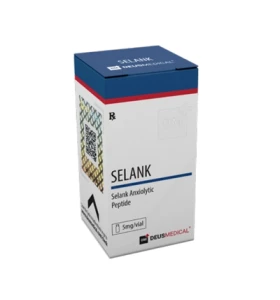
SELANK 5: The Anxiolytic and Nootropic Peptide
Active Substance: Selank Manufacturer: Deus Medical Pack: 1 Vial x 5 mg
What Is Selank Peptide?
Selank is a synthetic regulatory peptide that falls into the category of nootropics (cognitive enhancers) and anxiolytics (anti-anxiety drugs). It was developed in Russia by collaborative research between the Institute of Molecular Genetics and the V.V. Zakusov Research Institute of Pharmacology (Russian Academy of Medical Sciences).
Selank is a modified analog of the naturally found peptide tuftsin (a short fragment of the human immunoglobulin G heavy chain). Its primary clinical use in Russia has been for the treatment of Generalized Anxiety Disorder (GAD) and neurasthenia due to its capacity to alleviate anxiety without the sedation or potential for addiction associated with classical benzodiazepines.
Core Mechanisms and Unique Profile
Unlike traditional tranquilizers, Selank is believed to act as a "mild" agent with a dual-action mechanism:
-
GABAergic Modulation: Research suggests Selank binds to GABA receptors, acting as an allosteric modulator to enhance the brain's natural calming effects (similar to benzodiazepines), but without causing sedation or dependence.
[Image of the $ 2. Neurotransmitter and Neurotrophic Regulation: Selank is believed to regulate neurotransmitter activity (Serotonin, Dopamine, Norepinephrine) and promotes the expression of Brain-Derived Neurotrophic Factor (BDNF), which is crucial for learning, memory, and neuroprotection in brain trauma. 3. Enkephalin Stabilization: It inhibits the degradation enzymes of enkephalins (natural peptides involved in pain and mood), thereby sustaining their anti-anxiety and antidepressant effects.
Effects and Applications
Selank is highly touted for its dual positive effects on both emotional and cognitive domains:
-
Anxiety Blockade: Clinical trials have reported reduced symptomatology in GAD and neurasthenia comparable to classic benzodiazepines (like Medazepam), but without the characteristic side effects (amnesia, dependence, sedation).
-
Cognitive Enhancement: It improves memory, focus, learning processes, and enhances neuroplasticity.
-
Antioxidant/Immune Effects: It also demonstrates immunomodulatory activity and potential antioxidant effects.
Usage and Dosage (Research Protocol)
-
Administration: Selank is typically administered via intranasal spray (to bypass the blood-brain barrier) or subcutaneous injection. Oral forms are generally unstable.
-
Typical Dosage (Intranasal Research): 250 mcg to 500 mcg daily, divided into 2–3 doses.
-
Typical Dosage (Injectable Research): Research dosages typically start around 500 mcg per day.
-
Duration: Can be used short-term for acute anxiety or long-term for chronic conditions and cognitive support. A common research cycle is one month on followed by one month off.
Safety and Warnings
While Selank shows minimal adverse effects in studies, caution is paramount due to limited human trials outside of Russia and the lack of FDA approval.
-
Safety Profile: Adverse effects reported by clinicians include mild nasal irritation (from spray), headaches, and occasional transient mood swings.
-
Consultation: Always consult a healthcare professional before considering taking Selank.
Frequently Asked Questions (FAQs)
1. What is the difference between Selank and Semax?
Both are Russian-developed nootropic peptides, but they target different functions:
-
Selank: Is primarily an anxiolytic/anti-stress agent (focused on the GABA system), promoting calmness and stability without sedation.
-
Semax: Is primarily a cognitive enhancer/neuroprotectant (focused on neurotrophins like BDNF), used for sharper focus, memory, and energy.
2. Does Selank require Post Cycle Therapy (PCT)?
No. Selank is a neuropeptide that acts on the CNS (central nervous system) and immune system. It does not suppress the body's natural production of testosterone or other sex hormones. Therefore, standard PCT protocols are not required.
3. Why is the injectable form preferred over oral consumption?
Like most peptides, Selank is a chain of amino acids that would be broken down and rendered inactive by the digestive enzymes in the stomach and intestines. Administration via intranasal spray or subcutaneous injection allows the peptide to enter the bloodstream (or CNS) intact, where it can exert its intended signaling functions.
4. Is Selank likely to cause dependence or addiction like benzodiazepines?
Clinical studies have shown that Selank's anxiolytic effect is similar to low doses of benzodiazepine tranquilizers (like Medazepam or Diazepam), but the effect is not accompanied by the characteristic side effects of amnesia, tolerance, or dependence. This favorable safety profile is a key reason for its therapeutic interest.
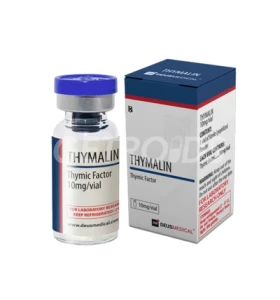
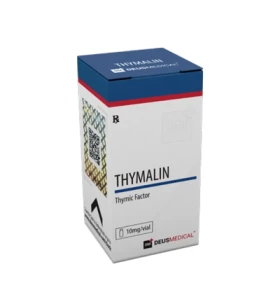
THYMALIN 10 Deus Medical
THYMALIN 10 Deus Medical is a specialized peptide formulated to help regulate and strengthen the immune system. As a biologically active compound originally derived from the human thymus gland, Thymalin has been used for decades in medical settings to support weakened immunity, chronic inflammation, viral infections, and age-related immune decline. This guide explains what THYMALIN 10 Deus Medical is, how it works, its potential benefits, side effects, and why medical supervision is essential for safe use.
What Is THYMALIN 10 Deus Medical?
THYMALIN 10 Deus Medical contains 10 mg of Thymalin peptide per vial. It is designed to help regulate immune responses and improve the body's defense mechanisms. Because the immune system controls how we fight infections, heal, and cope with chronic illnesses, Thymalin is used as an immune-support tool in a wide range of medical conditions.
Manufacturer Overview – Deus Medical
Deus Medical is recognized for producing high-purity peptides and pharmaceuticals. Their products undergo strict quality control and feature anti-counterfeit QR verification, helping users confirm authenticity.
Product Format and Strength
-
1 vial (10 mg Thymalin peptide)
-
Freeze-dried sterile powder
-
Reconstituted only under medical guidance
Understanding Thymalin (Thymalin Peptide)
Thymalin is a thymus-derived peptide known for its immunoregulatory properties.
Origin of Thymalin
Originally isolated from thymus gland extracts, Thymalin is now produced synthetically with high purity, making it suitable for medical immune support.
Mechanism of Action
Thymalin works by:
-
Stimulating T-cell production
-
Enhancing communication between immune cells
-
Balancing immune overactivity and underactivity
-
Improving resistance to pathogens
What THYMALIN Does in the Body
THYMALIN 10 Deus Medical supports the immune system in several important ways.
Immune System Strengthening
The peptide promotes:
-
T-lymphocyte formation
-
Higher immune alertness
-
Improved cellular defense
Infection Defense
Medical professionals use Thymalin to support treatment of:
-
Viral infections
-
Bacterial infections
-
Fungal infections
Chronic Inflammation Modulation
Thymalin helps regulate immune responses in chronic issues where inflammation must be balanced, not suppressed.
Cancer Therapy Support
Patients undergoing chemotherapy or radiotherapy may receive Thymalin to help maintain immune function.
Anti-Aging Immune Defense
As people age, immune strength naturally declines. Thymalin is studied for its potential to help stabilize immune activity in older adults.
Medical Applications of Thymalin
Doctors may use Thymalin in cases of:
-
Compromised immunity
-
Chronic inflammation
-
Long-term infections
-
Chemotherapy-induced immune suppression
-
Immune decline related to aging
How THYMALIN 10 Deus Medical Is Used
Injection Methods
Thymalin is administered by:
-
Subcutaneous injection
-
Intramuscular injection
Physician-Determined Protocols
Only a doctor can determine:
-
Proper dose
-
Frequency
-
Duration
-
Reconstitution instructions
Never self-administer without medical guidance, as immune-related treatments require professional oversight.
Dosage Information (Medical Supervision Required)
All dosing must be prescribed by a qualified healthcare provider.
Typical Adult Medical Dose
Doctors commonly prescribe:
-
1–2 mg per day
-
Short course of 5–10 days
Treatment Duration
Based on:
-
Condition type
-
Illness severity
-
Patient response
Children & Older Adults
Dosing must be adjusted by a physician.
Side Effects and Risks
Thymalin is generally well tolerated, but side effects may occur.
Common Side Effects
-
Mild redness at injection site
-
Slight swelling
-
Low-grade fever
-
Fatigue
Rare Side Effects
-
Allergic reactions (itching, rash)
-
Headache
-
Mild nausea
Severe Reactions (Very Rare)
-
Serious immune overactivation
-
Strong allergic response
Seek medical attention immediately if such symptoms appear.
Benefits of THYMALIN 10 Deus Medical
Thymalin may help:
-
Strengthen immune resistance
-
Support infection recovery
-
Regulate chronic immune imbalance
-
Protect immunity during cancer therapies
-
Reduce age-related immune decline
Who Should Not Use Thymalin?
Avoid use if:
-
You are allergic to Thymalin or its ingredients
-
You have autoimmune diseases without medical supervision
-
You are pregnant or breastfeeding without doctor approval
-
You have severe kidney or liver failure
Medical specialist approval is required in all these cases.
Important Safety Precautions
-
Always consult a doctor before starting Thymalin
-
Never self-medicate or follow nonprofessional instructions
-
Follow the dosage and duration prescribed
-
Seek medical help if side effects occur
Checking Authenticity of Deus Medical Products
Deus Medical includes a QR verification code on the packaging.
Scanning this code confirms the product’s authenticity and protects you from counterfeits.
FAQs About THYMALIN 10 Deus Medical
1. What is THYMALIN 10 Deus Medical used for?
It is used to support immune function, help the body fight infections, regulate chronic inflammation, and assist patients receiving chemotherapy or radiotherapy.
2. How is Thymalin administered?
It is injected either subcutaneously or intramuscularly, and only by a doctor or under medical supervision.
3. Is Thymalin safe?
It is generally considered safe but may cause mild injection-site reactions or rare allergic responses. Professional guidance is essential.
Conclusion
THYMALIN 10 Deus Medical is a powerful immune-supporting peptide used in conditions ranging from infections to chronic inflammation and immune decline. Thanks to its ability to strengthen and regulate the immune system, Thymalin plays a valuable role in modern medical practice. However, it must always be used under the supervision of a qualified physician to ensure safety and optimal effectiveness.
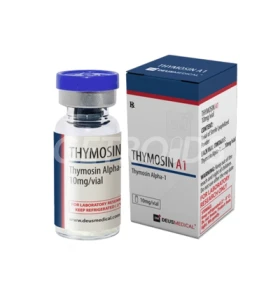
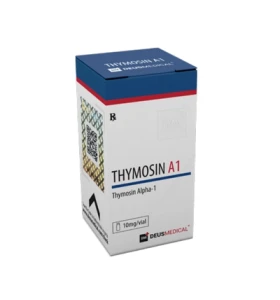
THYMOSIN A1 Deus Medical
THYMOSIN A1 Deus Medical is a pharmaceutical-grade peptide designed to support immune system activity and enhance the body’s natural defense mechanisms. Containing 10 mg of Thymosin Alpha-1 per vial, this synthetic peptide is modeled after a naturally occurring molecule produced in the human thymus gland. Medical professionals use Thymosin Alpha-1 in a wide range of immune-related conditions, including viral infections, cancer therapies, and chronic inflammatory illnesses. In this comprehensive guide, we explore exactly what THYMOSIN A1 Deus Medical is, how it works, and who may benefit from it—while emphasizing responsible, physician-guided use.
What Is THYMOSIN A1 Deus Medical?
THYMOSIN A1 Deus Medical is a peptide-based immune-modulating product formulated by Deus Medical, known for producing high-quality research and medical-grade compounds. Each vial contains 10 mg of Thymosin Alpha-1, a synthetic version of the natural thymus peptide responsible for regulating immune function.
Manufacturer Profile – Deus Medical
Deus Medical is recognized internationally for its strict manufacturing controls, purity standards, and secure packaging. Their products undergo quality verification and are equipped with QR authentication to prevent counterfeiting.
Product Format and Strength
-
1 vial
-
10 mg Thymosin Alpha-1
-
Sterile powder intended for reconstitution and physician-supervised injection
Understanding Thymosin Alpha-1
Thymosin Alpha-1 was originally isolated from thymus gland extracts and has been used in medicine for several decades.
Origin and Discovery
This peptide gained scientific attention for its ability to stimulate T-cell production, a core pillar of the body’s immune response.
Mechanism of Action
Thymosin Alpha-1 enhances:
-
T-lymphocyte maturation
-
Cytokine regulation
-
Antiviral and anticancer immune responses
-
Overall immune system readiness
What Thymosin Alpha-1 Does in the Body
THYMOSIN A1 Deus Medical provides several clinically recognized immunological benefits.
Immune System Enhancement
Boosts:
-
T-cell activation
-
Natural killer (NK) cell activity
-
Immune communication through cytokines
Antiviral Effects
Thymosin Alpha-1 is used in treatment programs for:
-
Hepatitis B
-
Hepatitis C
-
HIV
-
Viral respiratory infections
Cancer Treatment Support
It helps protect immune function during:
-
Chemotherapy
-
Radiotherapy
-
Intensive oncology treatments
Role in Chronic Disease Management
Physicians utilize the peptide in:
-
Autoimmune disorders
-
Chronic inflammatory diseases
-
Immune-suppressed conditions
Anti-Aging Immune Support
Thymosin Alpha-1 is also researched for maintaining stable immune defense in older adults.
Medical Applications of Thymosin Alpha-1
-
Viral infections
-
Cancer support therapies
-
Chronic immune dysfunction
-
Post-radiation immune recovery
-
Immune weakening due to aging
How THYMOSIN A1 Deus Medical Is Administered
Physician supervision is mandatory.
Injection Methods
-
Subcutaneous (just under the skin)
-
Intramuscular (into the muscle)
Physician-Determined Treatment Plans
Doses and regimens vary depending on:
-
Condition type
-
Severity
-
Age
-
Immune function
-
Treatment goals
Dosage Information (Medical-Supervised Use Only)
The following represents commonly referenced clinical protocols, not personal medical advice.
Standard Clinical Dose
Typical medically supervised dose:
-
1.6 mg
-
Twice per week
Duration of Therapy
-
Several weeks to months, depending on illness and goals
Special Populations
Children, elderly patients, or immunocompromised individuals require customized physician-set dosing.
Side Effects and Risks
Common Side Effects
-
Mild injection-site redness or swelling
-
Low-grade fever
-
Fatigue
Rare Side Effects
-
Headache
-
Nausea
-
Allergic reactions (rash, itchiness, shortness of breath)
Severe Side Effects (Very Rare)
-
Autoimmune overstimulation
-
Strong immune flare-ups
Seek immediate medical help if alarming symptoms occur.
Benefits of THYMOSIN A1 Deus Medical
-
Strengthens immune system activity
-
Supports antiviral defense
-
Protects immunity during cancer therapies
-
Helps regulate chronic inflammatory conditions
-
Promotes healthy immune aging
Who Should Not Use Thymosin Alpha-1?
-
Individuals with known allergies to the peptide
-
Those with autoimmune diseases unless under specialist care
-
Pregnant or breastfeeding women without medical approval
-
Organ transplant recipients, due to immune stimulation risks
Safety Precautions
-
Always consult a medical professional before use
-
Never self-dose or follow internet protocols
-
Follow the physician’s complete dosage instructions
-
Report unusual side effects immediately
Authenticity Check for Deus Medical Products
You can verify your THYMOSIN A1 Deus Medical product by scanning the QR code located on the back of the packaging. This ensures the item is original and safe to use.
FAQs About THYMOSIN A1 Deus Medical
1. What is THYMOSIN A1 Deus Medical used for?
It is used to enhance immune function, support antiviral treatment, assist cancer therapy, and help regulate chronic immune-related diseases.
2. How is Thymosin Alpha-1 administered?
It is given as a subcutaneous or intramuscular injection and should only be administered under medical supervision.
3. Is Thymosin Alpha-1 safe?
It is generally well tolerated, but mild injection-site reactions, fatigue, or rare allergic responses may occur. Medical oversight is essential.
Conclusion
THYMOSIN A1 Deus Medical is a powerful immune-supporting peptide designed to enhance the body’s natural defense mechanisms. From antiviral protection to chronic disease management and cancer therapy support, Thymosin Alpha-1 offers wide-reaching medical potential. However, like any immune-active compound, it must be used under the guidance of a qualified healthcare professional to ensure safety and effectiveness.


WATERMED Deus Medical
WATERMED Deus Medical has become a trusted solution for individuals and healthcare professionals seeking safe and effective bacteriostatic water for medication reconstitution. As a sterile, high-quality product from Deus Medical, it offers reliability, purity, and convenience through its 10 x 1 ml packaging. In this guide, we’ll explore everything you need to know about WATERMED Deus Medical, including its benefits, composition, safety measures, and proper usage—all while keeping the keyword WATERMED Deus Medical naturally integrated.
What Is WATERMED Deus Medical?
WATERMED Deus Medical is a pharmaceutical-grade bacteriostatic water designed for dissolving or diluting medications intended for injection. It contains purified sterile water combined with 0.9% benzyl alcohol, which prevents bacterial growth, making the product usable for multiple punctures within a recommended timeframe.
Overview of Deus Medical as a Manufacturer
Deus Medical is internationally recognized for producing high-grade medical and research-use products. Their manufacturing process follows strict laboratory standards, ensuring consistent purity, accurate labeling, and dependable packaging. Because of this reputation, WATERMED Deus Medical is widely trusted across medical and research applications.
Key Features of WATERMED
-
Sterile and pyrogen-free
-
Contains benzyl alcohol to inhibit bacterial contamination
-
Packaged in small, convenient 1 ml vials
-
Suitable for multiple reconstitution needs
-
Easy to transport and store
Composition and Active Ingredients
The product contains:
-
Sterile Water for Injection – highly purified
-
Benzyl Alcohol (0.9%) – a preservative agent
Role of Bacteriostatic Water
Bacteriostatic water prevents bacterial growth in the solution, allowing it to remain safe for repeated use over a short period. This makes it ideal for multi-dose applications involving medications that need careful and sterile dilution.
Benefits of Benzyl Alcohol in Preservation
Benzyl alcohol enhances product longevity by inhibiting microbial activity. It also ensures the water remains sterile even after multiple punctures, making it highly efficient and cost-effective.
Packaging and Product Format
WATERMED comes in a 10 x 1 ml pack, offering flexibility and convenience.
Sterile Vial Design
Each vial is sealed tightly to maintain sterility. The compact design makes them easy to store and handle.
Usage Convenience
The 1 ml format reduces waste and ensures accurate measurements for reconstitution.
How WATERMED Deus Medical Works
The benzyl alcohol within the solution halts bacterial growth, enabling sterile conditions for a limited period. This ensures that medications mixed with WATERMED remain stable and safe for use.
Maintaining Sterility Over Time
Because the water is bacteriostatic, it can be used more than once as long as best hygiene practices are observed.
Safe Reconstitution of Medications
Users can dissolve powder-based medications by injecting WATERMED into the vial, mixing gently, and drawing the solution into a sterile syringe.
Proper Usage Guidelines
-
Clean vial tops with alcohol swabs
-
Use sterile syringes and needles
-
Avoid touching needle tips
-
Keep vials stored at controlled room temperature
Storage Recommendations
Store at 20°C–25°C and avoid sunlight exposure.
Shelf Life and Reuse Window
Once punctured, use within 28 days unless otherwise directed by a healthcare professional.
Safety Precautions and Contraindications
WATERMED Deus Medical is safe when used properly, but improper handling can lead to contamination or irritation.
Possible Side Effects
-
Mild irritation at the injection site
-
Rare allergic reactions to benzyl alcohol
Preventing Contamination
Always use sterile equipment and avoid reusing needles.
Advantages of Choosing WATERMED Deus Medical
Quality Assurance
Deus Medical is known for strict testing and high manufacturing standards.
Suitable for Multiple Applications
Ideal for hormones, peptides, and medications requiring precision dilution.
Customer Experience and Reliability
Users appreciate its reliability, sterility, and ease of use.
Healthcare Professional Feedback
Medical experts note its strong preservation properties and consistency.
Buying WATERMED Deus Medical
Always ensure you're purchasing authentic products.
Authenticity Verification Tips
-
Check batch numbers
-
Verify tamper-proof seals
-
Buy from trusted vendors
FAQs About WATERMED Deus Medical
1. What is the purpose of WATERMED Deus Medical?
It’s used to safely dilute or dissolve medications before injection, especially those requiring sterile reconstitution.
2. How long can I use a vial after opening?
Once punctured, use within 28 days if stored properly.
3. Is WATERMED safe for all injectable medications?
Yes, it’s suitable for most medications requiring bacteriostatic water, though you should always follow your medical provider’s instructions.
Conclusion
WATERMED Deus Medical stands out as a dependable and safe choice for medication reconstitution. With high purity, sterile manufacturing, and user-friendly packaging, it remains a preferred option among medical professionals and patients alike. Whether for daily use or research applications, WATERMED Deus Medical delivers consistent quality and peace of mind.
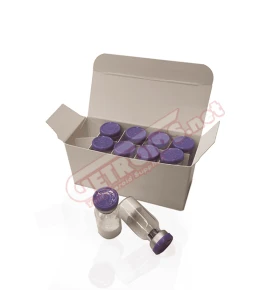
HGH Fragment 176-191 | 50 mg Mega-Bulk Kit
The HGH Fragment 176-191 50 mg Kit is a high-volume supply of the specific 17-amino acid chain derived from the C-terminal end of the Human Growth Hormone molecule. This kit is composed of 10 vials, each containing 5 mg of the lyophilized (freeze-dried) peptide.
This specific fragment is known as the "lipolytic fragment" because it isolates the fat-burning properties of growth hormone without inducing the cellular growth or insulin resistance often caused by full-length HGH.1 This 50 mg bundle is designed for long-term body recomposition cycles or group research protocols.
Key Benefits & Mechanism
-
Targeted Adipose Reduction: Actively signals the breakdown of fat (lipolysis) and inhibits the formation of new fatty acids (lipogenesis), specifically targeting stubborn abdominal and visceral fat.2
-
Metabolic Efficiency: Enhances the body's ability to utilize stored fat as its primary energy source, increasing the basal metabolic rate.
-
Muscle Preservation: Unlike many fat burners that can be catabolic, the Fragment helps protect lean muscle tissue while the body is in a caloric deficit.
-
Glycemic Safety: Does not compete for insulin receptors or elevate blood glucose, making it safer for those concerned about diabetes or insulin sensitivity.
-
No Organ Growth: Because it lacks the first 175 amino acids of HGH, it does not stimulate IGF-1 or the growth of internal organs or bone tissue.3
Product Specifications
| Feature | Details |
| Active Substance | HGH Fragment 176-191 |
| Total Kit Content | 50 mg |
| Packaging | 10 Vials x 5 mg each |
| Form | Lyophilized (Freeze-dried) Powder |
| Purity | >98% (Pharmaceutical Grade) |
| Molecular Formula | $C_{78}H_{125}N_{23}O_{23}S_{2}$ |
Administration & Reconstitution
To maintain the integrity of the peptide, follow these handling steps:
-
Reconstitution: Add 2 ml or 2.5 ml of Bacteriostatic Water to a 5 mg vial. Aim the water at the glass wall and let it slide down.
-
Mixing: Gently rotate the vial between your palms. Do not shake, as the peptide bonds are very fragile and can be denatured.
-
Standard Dosage: Common research doses range from 250 mcg to 500 mcg per day.
-
Optimal Timing: Must be administered on an empty stomach (3 hours after eating) and at least 30–60 minutes before food. For best results, use in the morning before fasted cardio or before bed.
Storage & Stability
-
Unopened Vials: Store in a cool, dark place. For long-term storage (over 3 months), refrigeration or freezing is recommended.
-
Reconstituted Solution: Must be kept refrigerated (2°C - 8°C). Once mixed, a vial should be used within 14–21 days to ensure full potency.
-
Light Sensitivity: Keep vials in their original packaging to protect from UV exposure.
Side Effects & Safety
-
Common Effects: Mild redness, swelling, or itching at the injection site.
-
Rare Effects: Some users may report a slight increase in hunger or minor lethargy immediately following injection.
-
Note: Unlike full HGH, this fragment does not cause joint pain, carpal tunnel, or water retention.
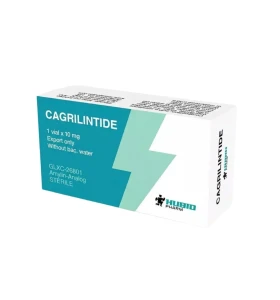

Cagrilintide Acetate 5 mg
Manufacturer: No label
Pharmaceutical Name: Cagrilintide Acetate
Packaging: 1 Vial (5 mg)
Product Overview
Cagrilintide Acetate is a next-generation amylin analogue peptide currently under clinical development, designed to support sustained weight loss in individuals with overweight or obesity.
It is being explored both as a standalone therapy and in combination with Semaglutide, a GLP-1 receptor agonist, to deliver enhanced appetite suppression and long-term metabolic benefits.
Mechanism of Action
Amylin is a naturally occurring hormone that is co-secreted with insulin by pancreatic beta cells.
It works by influencing both the homeostatic and hedonic regions of the brain, helping reduce food intake and promote a feeling of fullness (satiety).
When Cagrilintide, an amylin analogue, is combined with Semaglutide (a GLP-1 receptor agonist), their complementary mechanisms produce an additive effect on appetite regulation and energy balance:
-
Cagrilintide (Amylin analogue) → Enhances satiety, delays gastric emptying, reduces food cravings.
-
Semaglutide (GLP-1 agonist) → Increases insulin release, decreases glucagon secretion, and further slows gastric emptying.
Together, these effects can help improve metabolic efficiency, support long-term weight control, and potentially improve glucose tolerance.
Clinical Insights
Recent clinical trials have shown that Cagrilintide Acetate, both alone and in combination with Semaglutide, can lead to significant and sustained weight reduction.
This combination therapy targets multiple metabolic pathways, providing a more effective pharmacological approach for obesity management.
Given the complexity and multifactorial nature of obesity, therapies that act on different biological targets are increasingly recognized as the most promising strategies for meaningful and lasting weight loss outcomes.
Important Disclaimer
This is a UGL (Underground Laboratory) product. Please be aware that it may not be of pharmaceutical-grade quality. Exercise caution before purchasing or using this product.
Frequently Asked Questions (FAQ)
1. What is Cagrilintide Acetate used for?
Cagrilintide Acetate is an investigational peptide designed to help with weight management and appetite regulation. It mimics the natural hormone amylin, promoting satiety and reducing food intake.
2. Can Cagrilintide Acetate be used with Semaglutide?
Yes. Studies have shown that combining Cagrilintide with Semaglutide may produce stronger weight loss effects than using either compound alone. However, this combination is still under clinical investigation.
3. How is Cagrilintide administered?
Cagrilintide Acetate is typically administered subcutaneously (under the skin), using a sterile vial for injection. The exact dosage and protocol should only be followed under professional supervision.
4. Is Cagrilintide Acetate approved for medical use?
No. As of now, Cagrilintide is still in the research and clinical trial phase. It has not been approved by the FDA or other global regulatory agencies for general medical use.

Active Substance : Thymosin Beta 4
Pack : 1 vial x 5 mg
What is TB-500 Peptide?
TB-500 or Thymosin Beta-4 is a chemically synthesized peptide analogue of a naturally occurring peptide present in nearly all human and animal cells. TB-500 promotes cell regeneration, tissue repair, and anti-inflammatory action. TB-500 is best known to cause healing and recovery of damaged tissues such as muscles, tendons, and ligaments.
What is it used for?
TB-500 is most often applied for its anti-inflammatory and regenerative properties. It is usually applied for:
Healing Acceleration: It repairs damaged muscles, tendons, and ligaments by inducing cell migration and tissue repair.
Inflammation Reduction: It possesses powerful anti-inflammatory properties, and as such it is particularly useful in treating conditions that are characterized by chronic inflammation or pain.
Increased Flexibility and Mobility: Through repair of tissues, it can enhance joint flexibility and mobility in general.
Support Recovery: It is also used by bodybuilders and athletes to enhance recovery from injury or hard training.
How is it used in bodybuilding?
TB-500 is valued among athletes for its downtime-reducing and recovery-promoting properties. It allows athletes to train more intensively and more frequently by:
Repairing micro-tears in muscle fibers caused by heavy training.
Reducing inflammation and muscle soreness.
Supporting joint and tendon well-being, necessary for heavy lifting. It is not a performance-enhancing drug, but its application in recovery and prevention of injury has made it popular among gym rats and bodybuilders.
Who should avoid using it?
TB-500 is not for everyone. It should not be taken by:
Pregnant or Nursing Women: The impact of TB-500 on fetal development or infants is not well studied.
Cancer Patients: TB-500 activates cell growth and regeneration and therefore aggravates cancerous conditions.
Allergy Victims to the Peptide: Individuals who have previously experienced allergy problems while applying TB-500 or any of its ingredients should steer clear of its application.
Chronic Patients of Medical Conditions: Chronic patients of such medical conditions as heart illness, kidney disease, or autoimmune disorders should consult a doctor prior to using it.
Note:
TB-500 is not FDA-approved for human use and is typically sold for research use only. Long-term safety and efficacy have not been established for TB-500 and should be used with caution. A physician should always be consulted before using TB-500 or any peptide.
The above is for general information purposes only and should not be used as a substitute for qualified medical advice.
SEMAGLUTIDE 10 mg Odin Pharma USA
Investigating the Potential of a High-Capacity GLP-1 Research Agent
Important Disclaimer: The information provided in this article is intended strictly for general informational and scientific review purposes. SEMAGLUTIDE 10 mg Odin Pharma USA is discussed here exclusively from the perspective of an investigational "research compound." This text does not constitute definitive medical advice, nor does it guarantee specific health outcomes. Always conduct your own comprehensive research and consult with a licensed medical professional or endocrinologist before considering the use of any investigational supplement or peptide.
What is SEMAGLUTIDE 10 mg Odin Pharma USA?
SEMAGLUTIDE 10 mg (supplied in a 1 Vial 10 mg / 10 ml format by Odin Pharma) is a high-capacity investigational agent frequently utilized in modern scientific studies concerning metabolic health.
Belonging to the GLP-1 receptor agonist class of compounds, it is structurally designed to mimic the naturally occurring hormone GLP-1 (glucagon-like peptide-1). Originally introduced into research environments for its potential in diabetes control, Semaglutide has recently gained worldwide scientific attention for its impressive hypothesized weight loss effects. (In commercial settings, these mechanisms are often studied under well-known brand names such as Ozempic for injectable forms and Wegovy for oral forms).
The Odin Pharma 10 mg / 10 ml presentation is specifically designed to allow researchers precision dosing flexibility and long-lasting supply for extended investigational protocols.
Mechanism of Action: How is SEMAGLUTIDE Hypothesized to Work?
Studies into the mechanism of action focus on how Semaglutide might optimize natural metabolic and digestive responses. By activating GLP-1 receptors in the pancreas and the central nervous system, current research highlights the following potential pathways:
-
Increased Insulin Secretion: It is hypothesized to help lower blood sugar after meals by enhancing insulin release specifically when glucose levels are elevated.
-
Suppressed Glucagon Production: Observations suggest it may prevent the liver from releasing excessive glucose into the bloodstream.
-
Delayed Gastric Emptying: It is believed to slow down digestion, which may help subjects feel full for longer periods and naturally reduce caloric intake.
-
Appetite Reduction: By acting on the brain’s hunger centers, it is theorized to lower cravings and promote significant weight loss.
This dual metabolic and appetite-suppressing mechanism is heavily studied for its potential to control blood glucose while encouraging consistent, safe weight reduction in clinical settings.
Primary Areas of Focus in Clinical Research
The medical and scientific community primarily investigates Semaglutide across two major distinct areas:
1. Type 2 Diabetes Management
Semaglutide is frequently indicated in studies focusing on adult profiles with Type 2 diabetes mellitus to observe potential improvements in glycemic control. It is investigated both as a standalone research agent and in protocols alongside other traditional antidiabetic compounds (such as metformin or insulin).
-
Observed Potential Benefits: Lower HbA1c levels, better post-meal glucose control, and a reduced risk of cardiovascular complications over time.
2. Weight Management & Obesity Control
In clinical trials, Semaglutide has demonstrated a significant potential for weight reduction in individuals dealing with obesity or excess weight. Research protocols often target adult profiles presenting with:
-
A BMI ≥30 (classified as obesity), or
-
A BMI ≥27 (classified as overweight) accompanied by a related metabolic condition such as high blood pressure, high cholesterol, or Type 2 diabetes.
Participants in placebo-controlled trials have frequently been observed to lose a clinically meaningful amount of body weight, making this compound a focal point of modern weight-loss research.
Observed Investigational Protocols
In research environments, Semaglutide is typically evaluated under carefully titrated dosing protocols.
-
Injectable Form (e.g., Odin Pharma 10mg/10ml): Generally administered once weekly via subcutaneous injection.
-
Oral Form: Investigated as a daily tablet, ideally taken before breakfast.
Note: Typical starting doses in research are kept intentionally low and are gradually increased (titrated) to minimize potential gastrointestinal side effects. In any research setting, protocols must strictly adhere to the dosing schedules established by a supervising medical professional.
Clinical Observations (SUSTAIN & STEP Trials)
Extensive clinical trial programs, including the prominent SUSTAIN and STEP trials, have provided significant data regarding the potential efficacy of the Semaglutide compound:
-
Proven Observational Outcomes: Significant potential reductions in HbA1c (glycated hemoglobin) levels, noticeable weight loss (frequently up to 15% of body weight in specific studies), and improved cardiovascular and metabolic health markers.
Possible Side Effects
Even within controlled research settings, the compound must be researched under strict medical monitoring.
-
Common Mild Responses: Nausea, vomiting, diarrhea, constipation, mild bloating, or a profound loss of appetite. Most gastrointestinal side effects are observed to fade as the subject's body adjusts to the protocol.
-
Serious but Rare Risks: Potential for severe complications, including pancreatitis (inflammation of the pancreas), kidney issues (especially in profiles with prior kidney disease), and gallbladder disorders.
Procuring SEMAGLUTIDE 10 mg Odin Pharma USA for Research
Because Semaglutide has become a global focal point for weight loss research, counterfeit versions are increasingly common online. To ensure laboratory safety and protocol authenticity, researchers must procure compounds exclusively from trusted pharmaceutical distributors.
How to Spot Reliable Research Products:
-
Researchers heavily rely on independent community review platforms such as Trustpilot, ScamAdviser, Eroids, and MuscleGurus to validate the visible ratings and verified supply chains of vendors.
-
Professional platforms like Getroids1.shop are frequently referenced by the research community as reputable sources for procuring pharmaceutical-grade Semaglutide with high customer satisfaction ratings.
Frequently Asked Questions (FAQs)
1. What exactly is Semaglutide researched for?
In clinical settings, Semaglutide is primarily investigated for its potential to treat Type 2 diabetes and aid in chronic weight management. Studies focus on its ability to improve blood sugar control, promote fat loss, and reduce the risk of cardiovascular complications.
2. How soon are potential results observed in Semaglutide studies?
Observational data varies by subject, but many research protocols note potential improvements in glucose control within 4 weeks, with visible weight reduction trends emerging within 8–12 weeks of consistent protocol adherence.
3. Is Semaglutide considered safe for long-term investigational use?
Long-term clinical studies suggest that Semaglutide has a promising safety profile for extended use, provided it is prescribed and continuously monitored by a qualified healthcare professional.
4. Can Semaglutide be researched in profiles without diabetes?
Yes. It is heavily researched (and commercially approved under specific brand names) for chronic weight management in adult profiles who are overweight or obese, even in the absence of a diabetes diagnosis.
5. What should be avoided during Semaglutide research protocols?
Clinical guidelines typically advise subjects to avoid alcohol overuse and high-fat meals to minimize gastrointestinal distress. Furthermore, self-adjusting doses without medical supervision is strictly discouraged.
Conclusion: Semaglutide represents a revolutionary new era in the research of metabolic disorders. By investigating its powerful potential effects on blood sugar control, appetite suppression, and weight loss, science is moving beyond simply managing symptoms to addressing the root causes of insulin resistance and obesity.

Cagrilintide Acetate 10mg – SixPex USA
Manufacturer: SixPex
Pharmaceutical Name: Cagrilintide Acetate
Packaging: 1 Vial (10 mg)
Product Overview
Cagrilintide Acetate is a next-generation amylin analogue peptide currently under clinical development, designed to support sustained weight loss in individuals with overweight or obesity.
It is being explored both as a standalone therapy and in combination with Semaglutide, a GLP-1 receptor agonist, to deliver enhanced appetite suppression and long-term metabolic benefits.
Mechanism of Action
Amylin is a naturally occurring hormone that is co-secreted with insulin by pancreatic beta cells.
It works by influencing both the homeostatic and hedonic regions of the brain, helping reduce food intake and promote a feeling of fullness (satiety).
When Cagrilintide, an amylin analogue, is combined with Semaglutide (a GLP-1 receptor agonist), their complementary mechanisms produce an additive effect on appetite regulation and energy balance:
-
Cagrilintide (Amylin analogue) → Enhances satiety, delays gastric emptying, reduces food cravings.
-
Semaglutide (GLP-1 agonist) → Increases insulin release, decreases glucagon secretion, and further slows gastric emptying.
Together, these effects can help improve metabolic efficiency, support long-term weight control, and potentially improve glucose tolerance.
Clinical Insights
Recent clinical trials have shown that Cagrilintide Acetate, both alone and in combination with Semaglutide, can lead to significant and sustained weight reduction.
This combination therapy targets multiple metabolic pathways, providing a more effective pharmacological approach for obesity management.
Given the complexity and multifactorial nature of obesity, therapies that act on different biological targets are increasingly recognized as the most promising strategies for meaningful and lasting weight loss outcomes.
Important Disclaimer
This is a UGL (Underground Laboratory) product. Please be aware that it may not be of pharmaceutical-grade quality. Exercise caution before purchasing or using this product.
Frequently Asked Questions (FAQ)
1. What is Cagrilintide Acetate used for?
Cagrilintide Acetate is an investigational peptide designed to help with weight management and appetite regulation. It mimics the natural hormone amylin, promoting satiety and reducing food intake.
2. Can Cagrilintide Acetate be used with Semaglutide?
Yes. Studies have shown that combining Cagrilintide with Semaglutide may produce stronger weight loss effects than using either compound alone. However, this combination is still under clinical investigation.
3. How is Cagrilintide administered?
Cagrilintide Acetate is typically administered subcutaneously (under the skin), using a sterile vial for injection. The exact dosage and protocol should only be followed under professional supervision.
4. Is Cagrilintide Acetate approved for medical use?
No. As of now, Cagrilintide is still in the research and clinical trial phase. It has not been approved by the FDA or other global regulatory agencies for general medical use.
Summary
Cagrilintide Acetate 10mg (SixPex USA) represents a cutting-edge peptide innovation aimed at tackling obesity through a dual-action metabolic approach.
By combining amylin and GLP-1 pathways, it shows great promise for sustainable weight management — though it remains experimental and not pharmaceutical grade.

What Is Genotropin 36 iu Pfizer ?
Use of Somatropin :
GHRP-6 (Growth Hormone Releasing Peptide-6) – 5 mg Vial
Product Description:
GHRP-6 (Growth Hormone Releasing Peptide-6) is a synthetic peptide designed to stimulate the body’s natural growth hormone (GH) secretion while simultaneously increasing ghrelin levels, also known as the “hunger hormone.” Each pack contains 1 vial (5 mg) + sterile water for reconstitution.
GHRP-6 is widely used in bodybuilding and athletic performance for its ability to boost muscle growth, enhance recovery, stimulate appetite, and improve sleep quality.
Key Features
-
Active Ingredient: GHRP-6 (Growth Hormone Releasing Peptide-6)
-
Pack Size: 1 vial (5 mg) + sterile water
-
Form: Injectable peptide (reconstituted before use)
-
Category: Growth Hormone Releasing Peptide (GHRP)
-
Purity: Lab-tested and pharma-grade, third-party verified
How GHRP-6 Works
-
Stimulates the pituitary gland to release growth hormone
-
Increases ghrelin levels, enhancing appetite and energy intake
-
Promotes protein synthesis and cellular repair
-
Improves sleep depth and recovery by influencing GH release
-
Enhances lipolysis (fat metabolism), supporting leaner body composition
Uses & Benefits of GHRP-6
-
Promotes muscle growth and recovery
-
Enhances fat metabolism for better body composition
-
Stimulates strong appetite response, making it ideal for bulking cycles
-
Improves sleep quality and cellular repair
-
Supports growth hormone and IGF-1 levels naturally
Dosage & Administration
-
Typical Dosage: 100–300 mcg per injection
-
Injection Frequency: 2–3 times daily (morning, post-workout, before bed)
-
Cycle Duration: 4–12 weeks depending on goals
-
Administration: Subcutaneous or intramuscular injection after reconstitution
Possible Side Effects of GHRP-6
While generally safe when used properly, some users may experience:
-
Increased hunger (most common effect)
-
Mild water retention
-
Temporary flushing or tingling sensations
-
Fluctuations in blood sugar levels
Who Should Avoid GHRP-6?
-
Pregnant or breastfeeding women
-
Individuals with pituitary disorders
-
Cancer patients or those with tumor risk
-
Users under 21 years of age

HCG 5000 IU | MSD Pharma
HCG (Human Chorionic Gonadotropin) by MSD Pharma Greece is a premium, pharmaceutical-grade prescription hormone. Originally developed for clinical fertility treatments, it has become a gold standard in hormone optimization and Post-Cycle Therapy (PCT). By functioning as a Luteinizing Hormone (LH) mimetic, it provides the necessary signal to the testes to produce natural testosterone, even when the body's internal signaling has been suppressed.
This MSD Greece product is highly trusted by both medical clinics and professional athletes for its verified purity and consistent biological activity.
Key Benefits & Medical Uses
-
Reactivation of Testosterone: Specifically designed to "restart" the Leydig cells in the testes, ensuring natural testosterone production is restored after a steroid cycle.
-
Prevention of Testicular Atrophy: Maintains testicular size and health, preventing the physical shrinkage often associated with exogenous hormone use.
-
Fertility Support: * In Men: Effectively boosts sperm production (spermatogenesis).
-
In Women: Used under medical supervision to trigger ovulation.
-
-
Maintenance of Gains: By preventing a total androgen "crash" post-cycle, HCG helps stabilize the body and preserve the muscle mass earned during training.
Product Specifications
Dosage & Administration Guidelines
-
For Post-Cycle Therapy (PCT): * Common protocol: 250–500 IU every 3 days for 2–3 weeks at the end of a cycle.
-
High-dose reactivation: Some protocols suggest 2500–5000 IU per week split into multiple doses (only under specific guidance).
-
-
For Fertility: * Typically 1500–4000 IU weekly, split into 2–3 applications.
-
Reconstitution: Carefully break the ampoules, draw the solvent, and inject it into the powder ampoule. Swirl gently until the liquid is clear.
Safety & Side Effects
While generally well-tolerated at appropriate doses, potential side effects can include:
-
Estrogen Spikes: Increased testosterone can aromatize into estrogen; using an Aromatase Inhibitor (AI) is recommended if using high doses.
-
Water Retention: Mild bloating or edema.
-
Gynecomastia: Only a risk if estrogen levels are not monitored and controlled.
Storage & Handling
-
Pre-mixing: Store in a cool, dark place.
-
Post-mixing: Must be stored in a refrigerator (2–8°C). * Stability: Once reconstituted, the hormone is fragile. It is highly recommended to use a clean, sterile environment for every draw to ensure the product remains contaminant-free.

Mazdutide 10mg Sixpex Labs USA
Mazdutide represents a new generation of metabolic innovation — it’s the first dual agonist that activates both GLP-1 (glucagon-like peptide-1) and glucagon receptors. By engaging these two powerful pathways, Mazdutide helps control appetite, enhance metabolism, and support healthy blood glucose regulation.
Brand : Sixpex
Warehouse : USA
Dosage : 10ml – 100mg
Substance: Mazdutide
How It Works
Mazdutide works by stimulating two key receptor systems:
-
GLP-1 Receptors: These receptors are found in the pancreas, brain, and other tissues. When activated, they enhance insulin secretion (only when glucose levels are elevated), delay gastric emptying, and promote a feeling of fullness, leading to natural calorie reduction and weight loss.
-
Glucagon Receptors: Although glucagon alone can raise blood glucose, when balanced with GLP-1 activation, it boosts fat metabolism and improves energy expenditure, helping to reduce body fat more effectively.
This dual mechanism makes Mazdutide an exciting new frontier in managing obesity, type 2 diabetes, and metabolic syndrome.
Potential Benefits
-
Promotes sustainable weight loss
-
Improves glucose control and insulin sensitivity
-
Supports healthy lipid metabolism
-
May enhance cardiovascular and neurological protection
-
Encourages better energy balance and appetite control
Administration
Mazdutide 10 mg is provided in a prefilled autoinjector for convenient once-weekly use. The injection is administered subcutaneously (under the skin), typically in the abdomen, thigh, or upper arm.
Reported Side Effects
In clinical studies, Mazdutide has generally been well tolerated. Reported side effects were mostly mild and temporary, including:
-
Nausea or decreased appetite
-
Diarrhea or abdominal bloating
-
Mild upper respiratory infection
-
Urinary tract infection
-
Occasional vomiting
As with any peptide therapy, it’s recommended to consult a qualified healthcare provider before starting use.
Finally
Mazdutide offers a breakthrough dual-action approach to metabolic health. By targeting both GLP-1 and glucagon receptors, it provides the potential to not only improve blood sugar control but also to reshape how the body regulates fat and energy.
While early results are promising, ongoing clinical trials will further clarify its long-term safety and effectiveness.

Active substance: PT141 Bremelanotide
Pack: 10 vials x 10 mg
PT-141 is a melanocortin-targeted peptide treatment for sexual dysfunction that is prescribed. It is particularly famous for causing an increase in libido and a boost in sexual performance. As opposed to other sexual function drugs, PT-141 directly acts on melanocortin receptors in the brain, so it can be applied to both women and men.
What Does It Do?
PT-141 is used for the treatment of low libido and sexual dysfunction. It is very effective in the following conditions:
Reduced sexual desire,
Inadequate sexual arousal,
Enhanced sexual performance.
PT-141 directly stimulates melanocortin receptor activation in the brain, which increases sexual desire and allows physiological arousal.
Benefits
Increased Libido: Enhances sexual desire in men and women.
Enhanced Sexual Performance: Allows sexual arousal and performance.
Treats Sexual Dysfunction: Helps improve conditions such as low libido and inability to get aroused.
Effective in Women: May be used to treat hypoactive sexual desire disorder (HSDD) in females.
Quick Acting: Unlike other medications, it works quickly before sexual activity.
Side Effects
PT-141 is generally well tolerated, but some side effects may involve:
Nausea,
Headache,
Facial flushing,
Mild dizziness,
Changes in blood pressure,
Loss of appetite.
All the above side effects are usually mild and short-term, but a doctor's help should be sought if they become worse or turn chronic.
Who Should Not Take It?
Heart Patients: May lead to alterations in blood pressure, thus should not be administered to individuals with heart disease.
Pregnant and Breastfeeding Women: Safety has not been determined, thus should not be administered to these populations.
Patients Under 18 Years of Age: Not for the treatment of sexual dysfunction in this age category.
Severe Liver or Kidney Disease Patients: Potentially hazardous due to its effect on metabolism and elimination.
Melanoma (Skin Cancer) Patients: Potentially unsafe due to its effect on the melanocortin system.
Allergic Reactions Risk: Not for use by patients with anllergy to peptide treatments.
Important Warning
PT-141 is not prescribed, and in fact, consultation with a physician is always so when talking about its use. In case of side effects or allergic reaction, stop use, and a doctor has to be visited. It would be best to obtain professional consultations when diagnosing the cause of sexual dysfunction as well as a correct treatment schedule.


TB-500 (Thymosin Beta-4): Systemic Healing and Regeneration Peptide
Active Substance: Thymosin Beta-4
Manufacturer: Deus Medical
Pack: 1 Vial x 2 mg
Form: Injectable
What Is TB-500?
TB-500 is a chemically synthesized peptide analogue based on the naturally occurring protein Thymosin Beta-4 is a low molecular weight, multi-functional peptide present in nearly all human and animal cells, where it plays a vital role in the repair and regeneration of injured cells and tissues.
TB-500 is favored for its systemic action, meaning it can travel throughout the body to target damaged tissues, unlike other peptides that are more localized.
Core Mechanisms and Benefits
TB-500 promotes healing through several unique cellular pathways:7
-
Actin Regulation: is an important actin-binding protein and the major actin-sequestering peptide in cells.9 By regulating the cell-building protein, it promotes cell migration, differentiation, and overall cell structure maintenance.
-
Tissue Repair and Cell Migration: It accelerates the healing of damaged muscles, tendons, and ligaments by inducing cell migration (moving healing cells to the injury site) and promoting the mobilization and differentiation of stem/progenitor cells.10
-
Angiogenesis: TB-500 promotes the growth of new blood vessels angiogenesis) from pre-existing vessels, which improves circulation and speeds up the delivery of nutrients and oxygen to the injury site.12
-
Anti-Inflammatory Action: It exhibits potent anti-inflammatory properties and suppresses apoptosis (programmed cell death), protecting cells and tissues from further damage.13
-
Reduced Scarring: By decreasing the number of myofibroblasts in wounds, TB-500 minimizes scar formation and fibrosis.14
Usage and Applications
TB-500 is valued for its ability to reduce downtime and accelerate recovery across various tissues.15
-
Athletic Recovery: Used by athletes and bodybuilders to repair micro-tears in muscle fibers and support joint/tendon well-being, allowing for more intensive training.16
-
Healing Acceleration: Applied for healing damaged muscles, tendons, and ligaments.
-
Flexibility and Mobility: It contributes to maintaining flexibility and stretching connective tissue.18
-
Post-Injury Support: Useful for treating conditions characterized by chronic inflammation or pain, such as chronic joint pain or tendonitis.19
Who Should Avoid Using TB-500?
Due to its role in activating cell growth and regeneration, TB-500 carries a critical warning:
-
Cancer Patients: Cancer patients or people with a history of cancer should not apply it as activating cell growth and regeneration may theoretically aggravate cancerous conditions.
-
Pregnant or Nursing Women: The impact on fetal development or infants is not well studied.
-
Chronic Patients: Individuals with heart, kidney, or autoimmune disorders should consult a doctor prior to using it.
Dosage Protocols (Research)
TB-500 is typically administered via subcutaneous or intramuscular injection.20
-
Initial Phase (Saturation/Loading): Research protocols often use a total weekly dosage ranging from 4mg to 8mg, split into 2 injections per week (e.g.,mg on Monday/2 mg on Thursday).
-
Maintenance Phase: After noticeable improvement, some protocols suggest reducing to 2mg to 6 mg per month.
-
Duration: Treatment cycles typically span 6 to 12 weeks.29
Frequently Asked Questions (FAQs)
1. How does TB-500 differ from BPC-157 for injury healing?
TB-500 and BPC-157 are often stacked due to their complementary action:
-
TB-500: Acts systemically, circulating broadly to promote cell migration, angiogenesis, and anti-inflammation in various tissues (muscles, heart, joints).30
-
BPC-157: May act more localized at the injection site, specifically focused on GI tract health and tendon/ligament repair.31
2. Does TB-500 require a Post Cycle Therapy (PCT)?
No. TB-500 is a peptide that regulates tissue repair; it is non-hormonal and does not suppress the body's natural production of testosterone or other sex hormones. Therefore, standard PCT protocols are not required after TB-500 use.
3. What is the major safety concern regarding TB-500 use?
The major safety concern is its powerful ability to stimulate cell growth and regeneration. For individuals with undiagnosed or existing malignancies (cancerous conditions), this mechanism could theoretically promote the growth or proliferation of abnormal cells. Hence, individuals with a history of cancer must strictly avoid it.
4. Why is the dosage of TB-500 typically split into 2 injections per week?
TB-500 is administered infrequently because it is engineered for systemic distribution and has a half-life of several days. Splitting the weekly dose into 2 injections (e.g., twice weekly) helps ensure the compound is consistently present in the bloodstream at therapeutic concentrations, maximizing its regenerative effects.32
You can learn more about the scientific claims and debates surrounding this compound in this video: What Science ACTUALLY Says About TB 500 Benefits.

TB-500 Sixpex USA
Active Substance: Thymosin Beta-4
Manufacturer: Sixpex USA
Pack: 1 vial x 5 mg
What Is TB-500 Peptide?
TB-500 is a chemically synthesized peptide analog of Thymosin Beta-4 (TB4), a naturally occurring regenerative protein found in nearly all human and animal cells.1 TB-500 is best known for its ability to promote extensive cell regeneration, tissue repair, and potent anti-inflammatory action throughout the body.2
Unlike conventional treatments, TB-500 works by inducing cell migration and differentiation, allowing the body to rapidly repair damaged structural tissues, making it a highly valued agent for recovery.
Core Regenerative Benefits
-
Accelerated Healing: TB-500 directly targets damaged tissues, including muscles, tendons, and ligaments, inducing the necessary cell migration and tissue repair to promote fast recovery.3
-
Inflammation Reduction: It possesses powerful anti-inflammatory properties, making it particularly useful for treating chronic inflammation and pain associated with long-term injuries or strenuous training.4
-
Increased Flexibility and Mobility: By repairing and enhancing the quality of connective tissues, TB-500 can significantly improve joint health, overall flexibility, and physical mobility.5
-
Enhanced Recovery: For athletes and bodybuilders, its primary use is to reduce downtime by rapidly repairing micro-tears in muscle fibers caused by heavy lifting and reducing post-workout muscle soreness.
Application in Fitness and Bodybuilding
TB-500 is highly valued not as a performance-enhancing drug (PED) for mass, but as a recovery and injury prevention agent. It allows athletes to maintain an aggressive training schedule by:
-
Sustaining Intensive Training: By quickly repairing microscopic muscle damage and reducing soreness, athletes can train more frequently and intensively.
-
Supporting Heavy Lifting: It strengthens and supports joint and tendon well-being, which is crucial for safely executing heavy compound lifts.
Important Safety and Legal Disclaimer
TB-500 is a research peptide and requires significant caution.
| Category | Caution and Status |
| FDA Status | TB-500 is not FDA-approved for human use and is typically sold for research purposes only. |
| Long-Term Safety | Long-term safety and efficacy have not been established in humans. Use should be approached with extreme caution and professional consultation. |
| Cancer Warning | Cancer Patients MUST AVOID: TB-500 activates cell growth and regeneration and could potentially aggravate cancerous conditions. |
| Vulnerable Groups | Pregnant or Nursing Women should avoid use as the impact on fetal development is unknown. |
| Chronic Conditions | Individuals with chronic medical conditions (e.g., heart illness, kidney disease, autoimmune disorders) must consult a physician prior to use. |

TB-500 (Thymosin Beta 4) - Driada Medical EU
The provided text details TB-500, a chemically synthesized peptide analog of the naturally occurring peptide Thymosin Beta 4. It is widely used for its healing, recovery, and anti-inflammatory properties.1
| Feature | Detail |
| Active Substance | Thymosin Beta 4 (TB-500) |
| Manufacturer | Driada Medical |
| Concentration | 2 mg/vial |
| Presentation | 1 vial + water (for reconstitution) |
| Classification | Synthetic Peptide / Tissue Repair Agent |
Overview and Key Benefits
TB-500 is a synthetic peptide that promotes cell regeneration, tissue repair, and anti-inflammatory action.2 It is best known to cause healing and recovery of damaged tissues such as muscles, tendons, and ligaments.
-
Healing Acceleration: Repairs damaged muscles, tendons, and ligaments by inducing cell migration and tissue repair.3
-
Inflammation Reduction: Possesses powerful anti-inflammatory properties, useful for conditions characterized by chronic inflammation or pain.4
-
Mobility: Can enhance joint flexibility and mobility through tissue repair.5
-
Recovery Support: Used by athletes and bodybuilders to enhance recovery from injury or hard training.6
Role in Bodybuilding
TB-500 is highly valued for its downtime-reducing and recovery-promoting properties, allowing athletes to train more intensively and more frequently.7
-
Muscle Repair: Repairs micro-tears in muscle fibers caused by heavy training.8
-
Soreness: Reduces inflammation and muscle soreness.
-
Joint Health: Supports joint and tendon well-being, which is necessary for heavy lifting.
-
Classification Note: It is not a performance-enhancing drug, but its application in recovery and prevention of injury has made it popular.
Contraindications and Safety Note
-
Cancer Patients: Should not be taken, as TB-500 activates cell growth and regeneration and therefore aggravates cancerous conditions.
-
Women: Should not be taken by pregnant or nursing women, as the impact on fetal development or infants is not well studied.
-
Medical Conditions: Chronic patients with heart illness, kidney disease, or autoimmune disorders should consult a doctor.
-
Regulatory Status: TB-500 is not FDA-approved for human use and is typically sold for research use only.9
Frequently Asked Questions (FAQ)
1. What is the main healing mechanism of action for TB-500?
TB-500's main mechanism is promoting cell regeneration and tissue repair by inducing cell migration.10 This allows it to heal damaged tissues such as muscles, tendons, and ligaments.11
2. Why is TB-500 explicitly advised against for cancer patients?
TB-500 is advised against because its mechanism involves activating cell growth and regeneration. Since cancer is characterized by uncontrolled cell growth, this activation could potentially aggravate cancerous conditions.
3. Is TB-500 considered a direct performance-enhancing drug (PED)?
No. The text states that TB-500 is not a performance-enhancing drug. Its value lies in its ability to enhance recovery, reduce muscle soreness, and prevent injury, which allows for more frequent and intensive training.12
4. How does TB-500 benefit athletes who perform heavy lifting?
It benefits heavy lifters by repairing micro-tears in muscle fibers and supporting joint and tendon well-being. This function is critical for allowing the body to adapt to the stress of heavy lifting and reducing downtime.

SEMAX 5: The Russian Nootropic Peptide for Cognitive Enhancement
Active Substance: Semax (ACTH Fragment)1
Manufacturer: Deus Medical
Pack: 1 Vial x 5 mg
What Is Semax?
Semax is a synthetic peptide developed in Russia during the 1980s and 1990s.2 It is a brief, modified fragment of the human hormone Adrenocorticotropic Hormone (ACTH).3 Semax is classified as a potent neuroprotective and nootropic drug, often referred to as a "smart drug" for its ability to enhance cognitive functions.4
It was initially used clinically in Russia to treat conditions like stroke, brain damage, and cognitive impairment, and it is currently prescribed there for a number of medical disorders, including mental illness and migraine headache.5
Core Functions and Mechanism
Semax accomplishes its role by powerfully regulating critical brain chemicals and systems:
-
BDNF/NGF Elevation: Semax's primary mechanism involves dramatically increasing levels of Brain-Derived Neurotrophic Factor (6$\text{BDNF}$) and Nerve Growth Factor (7$\text{NGF}$) (reported to increase to 8 and 5 times baseline levels, respectively).8 These neurotrophic factors are essential for neuronal health, synaptic plasticity, and making new neurological connections, which enhance cognitive abilities.9
-
Neurotransmitter Regulation: It regulates the Serotonin, Dopamine, and Neuropeptide systems, which impact motivation, pleasure, and overall mood.10
-
Alpha Brain Wave Elevation: EEG tests indicate that Semax can increase the alpha brain wave state, associated with improved mood, reduced anxiety, and calmness. It also prevents harmful EEG alterations during stress states (hyperventilation).
-
Neuroprotection: It maintains the health and function of brain neurons and provides neuroprotection against brain trauma.11
Applications and Benefits
Semax is valued for its dual benefits across cognitive and emotional health:
-
Cognitive Enhancement: It improves core cognitive processes such as memory formation, learning capacity, and focus.12 Experiments have shown a significant increase in correct responses during memory formation tests.
-
Mood and Anxiety Reduction: Benefits include the reduction of symptoms of depression and stress, potentially due to its effects on the serotonin cycle.13
-
Potentiating Stimulants: One fascinating effect is its ability to potentiate the release of dopamine by other stimulants (like amphetamines) when taken in combination.14
Usage and Dosage Protocols
Semax is chemically inactivated when taken orally (sublingually) due to breakdown in the digestive system.
-
Administration: The required route is intranasal (nasal spray) to bypass the blood-brain barrier and ensure the peptide enters the bloodstream intact.15
-
Recommended Dosage: The typical daily dose of Semax is approximately $0.25 \text{ mg}$ to $1 \text{ mg}$ per day, which is considered sufficient for an entire day.
-
Safety Status: Numerous human clinical trials conducted in Russia have shown it to be generally well-tolerated with no severe side effects or hormonal reactions.16 However, further studies on the long-term implications are still needed.
Frequently Asked Questions (FAQs)
1. Why must Semax be taken as a nasal spray and not orally?
Like many peptides, Semax is a short chain of amino acids.17 If taken orally or sublingually, it would be rapidly inactivated (broken down) by digestive enzymes and stomach acids. The intranasal route bypasses the digestive system and allows the peptide to be absorbed directly through the nasal mucosa, crossing the blood-brain barrier intact.18
2. How does Semax enhance cognitive ability by increasing BDNF?
$\text{BDNF}$ (Brain-Derived Neurotrophic Factor) acts as "fertilizer" for the brain.19 Elevated 20$\text{BDNF}$ levels support the survival of existing neurons and encourage the growth of new synapses and connections.21 This process, known as neurogenesis and neuroplasticity, is the mechanism by which Semax enhances memory, learning capacity, and overall brain function.
3. Does Semax cause addiction or dependence?
Although Semax enhances dopamine release and is chemically related to $\text{ACTH}$, studies have generally not found it to cause severe side effects or potential for addiction like those associated with traditional stimulants or antidepressants ($\text{SSRIs}$), making it a favorable choice for sustained cognitive support.
4. Does Semax suppress natural testosterone, requiring PCT?
No. Semax is a neuroprotective peptide that targets the $\text{CNS}$ and growth factors ($\text{BDNF/NGF}$). It does not interfere with the $\text{HPTA}$ (Hypothalamic-Pituitary-Testicular Axis) and therefore does not suppress natural testosterone production. Standard Post Cycle Therapy ($\text{PCT}$) protocols are not required.

Active Substance : GHRH Peptide Packs 1 vial x 5 mg
We ship our products without brand labels for added security
The Comprehensive Guide to Sermorelin Peptide: Usage, Benefits, and Side Effects
Sermorelin, a synthetic form of growth hormone releasing hormone (GHRH), is designed to stimulate the body's natural production of growth hormone. Also referred to as growth hormone releasing factor (GRF 1-29), it falls under the category of growth hormone secretagogues, which trigger increased secretion of growth hormone from the pituitary gland.
Usage
Sermorelin stimulates growth hormone production, leading to enhanced muscle mass, reduced body fat, improved recovery, better sleep, increased flexibility, and overall health and wellness enhancement.
Sermorelin is commonly used to address growth deficiencies, particularly in children, by prompting the pituitary gland to release more natural growth hormone.
Mechanism of Action
Similar to the body's natural GHRH, Sermorelin attaches to the growth hormone releasing hormone receptor in the pituitary gland's anterior part. This stimulation boosts growth hormone production and initiates an increase in endogenous IGF-1 production. Sermorelin's positive effects on growth hormone output are modulated by somatostatin, also known as growth hormone inhibiting hormone (GHIH), which prevents excessive growth hormone levels and mirrors natural fluctuations in growth hormone concentrations.
Sermorelin's action preserves the hypothalamic-pituitary-somatotropic axis, preventing hormone production shutdown often seen with direct hGH replacement. It also enhances sleep quality, prolonging restorative slow wave sleep and increasing sleep-related growth hormone secretion while reducing cortisol production.
Administration
Mode of Administration: Subcutaneous injection into a fleshy part of the body, typically the abdomen or stomach area.
Before administration, ensure the syringe is clean and sterile.
Hold the Sermorelin vial upright and insert the syringe into the center of the cap.
Draw the correct amount into the syringe and remove it carefully.
Cleanse the injection site with alcohol before administering.
Pinch the skin around the injection site and hold the syringe at a 90-degree angle to the skin.
Depress the plunger fully and withdraw the syringe.
Dosage
Dosage Amount: 100mcg to 1000mcg (0.10mg to 1.0mg)
Dosage Frequency: 1 - 3 times daily
Sermorelin can be administered once daily before bedtime or divided into 2 – 3 smaller doses throughout the day. Both approaches have shown positive results in clinical studies.
Despite its short half-life, Sermorelin stimulates growth hormone release for up to two hours after administration, even with doses as low as 100mcg per administration.
Side Effects
Potential side effects of Sermorelin may include injection site reactions, skin flushing, headaches, difficulty swallowing, dizziness, hyperactivity, hives, nausea, change in taste, pallor, and chest tightness
Benefits
Increased muscle and lean body mass
Reduced fat and improved weight loss
Enhanced energy, endurance, and vitality
Accelerated wound and injury healing
Improved cardiovascular and immune function
Enhanced sleep quality, mood, and skin quality
Yes we provided precious and real informations about sermorelin (ghrh). By the way we are official online reseller of Ultima Pharma brand. If you read all informations about sermorelin in this article if still it is not enough for you please feel free contact with us. Our professional customer support team will help you in the short time.
Sources:
https://www.mayoclinic.org/drugs-supplements/sermorelin-injection-route/side-effects/drg-20065923
https://www.primeaesthetica.com/blog/sermorelin-injections/